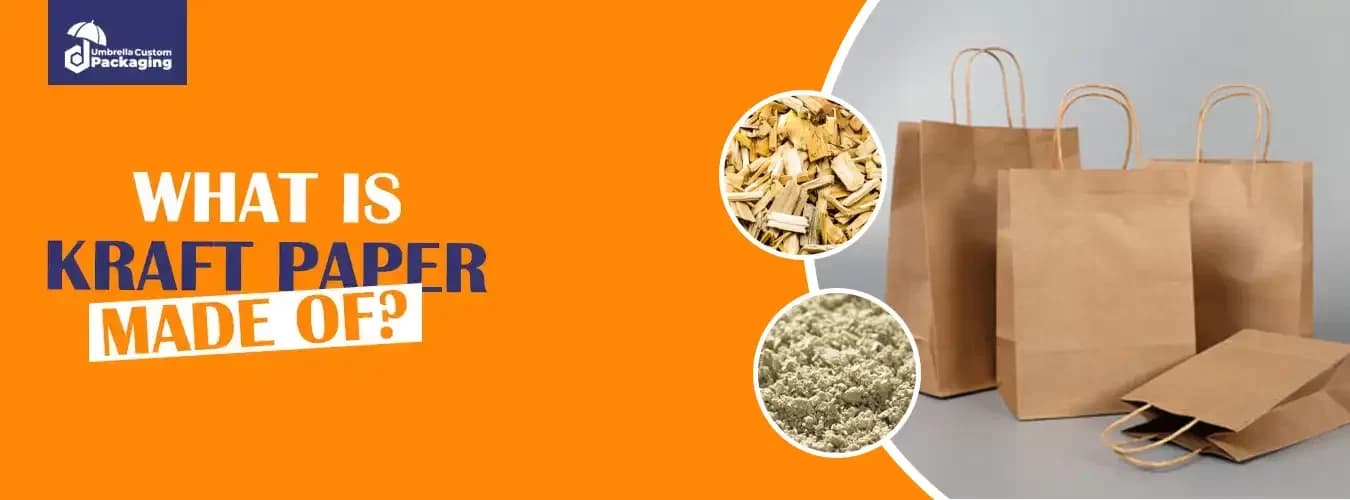
Kraft paper is a strong, durable, and eco-friendly type of paper made from wood pulp. It is widely used in packaging, including paper bags, boxes, and wrapping materials, because it holds heavy items without tearing. Unlike other types of paper, it keeps its natural brown color due to the chemical process used in its creation, which helps preserve the paper’s strength.
It is biodegradable, recyclable, and often used by companies that prioritize sustainability. Its versatility and environmentally friendly qualities make it a popular choice for both everyday packaging and products that are more specialized.
First, it comes from trees. Trees are full of a material called wood pulp, which is the main ingredient for making paper. Manufacturers make it from wood pulp, which consists of tiny fibers called cellulose. These fibers act like little building blocks, giving the paper its strength.
However, not all trees are the same. Some trees are softwood trees like pine and spruce, which have long fibers, while others are hardwood trees like oak and birch, which have shorter fibers. Softwood trees are often used to make kraft paper because their long fibers create stronger, more durable paper.
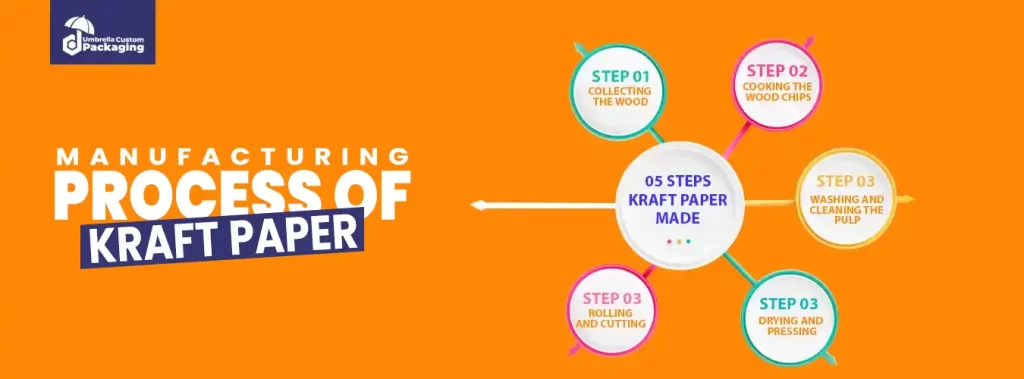
Now, let’s talk about how it is made step by step. The process is called the kraft process, which is why the paper gets its name. Here’s how it works:
If you’ve ever seen it, you know it has a brown color. This is because the kraft process doesn’t remove all the lignin from the wood pulp. Some lignin stays in the paper, giving it that natural brown look. However, if people want white kraft paper, they can bleach the pulp to remove more lignin. However, bleaching costs more money and is not as eco-friendly, so many people prefer to keep the paper brown.
It is a great choice for helping the planet because it comes from natural materials. People make it from trees, which are renewable resources. When companies follow responsible forestry practices, they plant new trees to replace the ones they cut down. This keeps forests healthy and growing. Unlike plastic, which takes hundreds of years to break down, kraft paper can decompose naturally in just a few weeks. This means it does not harm the environment or add to pollution.
Another reason it is sustainable is that people can recycle it. Instead of throwing it away, they can use it again to make new paper products. Recycling this paper saves energy and reduces waste in landfills. Moreover, the process of making it uses fewer harmful chemicals than other kinds of paper. This helps keep water and air cleaner. By choosing it, we can protect the environment and make choices that are better for the Earth.
It has a natural, earthy look that gives it a special elegance. Unlike bright, white paper, it has a natural brown color. This color comes from the unique process used to make it, giving it a rustic, earthy appeal. This natural appearance makes it perfect for products that want to feel simple, yet stylish. For example, many people use this paper for wrapping gifts because it adds a rustic, charming touch.
Additionally, it is not only beautiful but also eco-friendly. Since manufacturers make it from trees and people can recycle it, it helps reduce waste and pollution. As more people choose environmentally friendly options, it becomes a popular choice for businesses looking to connect with nature. Overall, embracing the natural elegance of kraft paper means enjoying its unique beauty while also caring for the planet.
It is very popular for packaging because it is strong, flexible, and eco-friendly. It can hold heavy items without tearing, which makes it perfect for many uses. Let’s explore the different ways kraft paper is used in packaging.
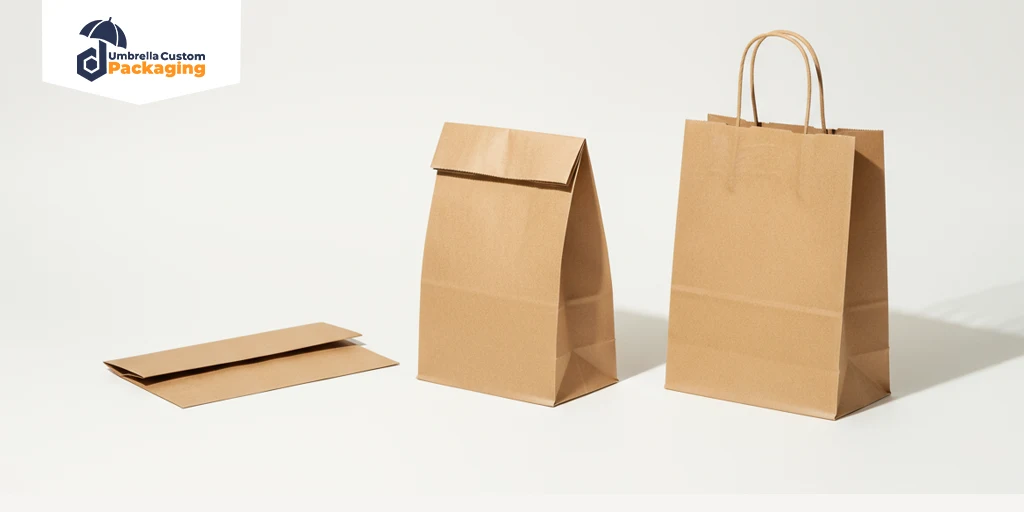
People commonly use it to make grocery bags, shopping bags, and takeout bags. Its strong fibers help carry heavy items like fruits, vegetables, or books without ripping. Many stores and restaurants choose kraft paper bags because they are reusable, recyclable, and biodegradable.
Companies use this paper to wrap fragile items like glass, ceramics, or electronics. The thick and durable texture protects products from scratches and damage during shipping. People also use it to wrap gifts naturally and stylishly.
It is a key material for making corrugated cardboard, which we use for shipping boxes. The strong outer layers of kraft paper give boxes the strength they need to hold and transport heavy products, from appliances to books.
In packaging, it is often crumpled or shredded to fill empty spaces in boxes. This void fill prevents items from moving around and damaging during transit. People also use it as cushioning to provide extra protection for delicate items.
This paper is safe for wrapping food items because it doesn’t have harmful chemicals. People use kraft paper to package sandwiches, baked goods, and other snacks. Waxed or coated kraft paper also works well for greasy or wet foods.
Many businesses use kraft paper to package their products as a way to show they care about the environment. This packaging has a natural and minimalist look that appeals to eco-conscious customers. People use it to wrap clothing, handmade products, and organic goods.
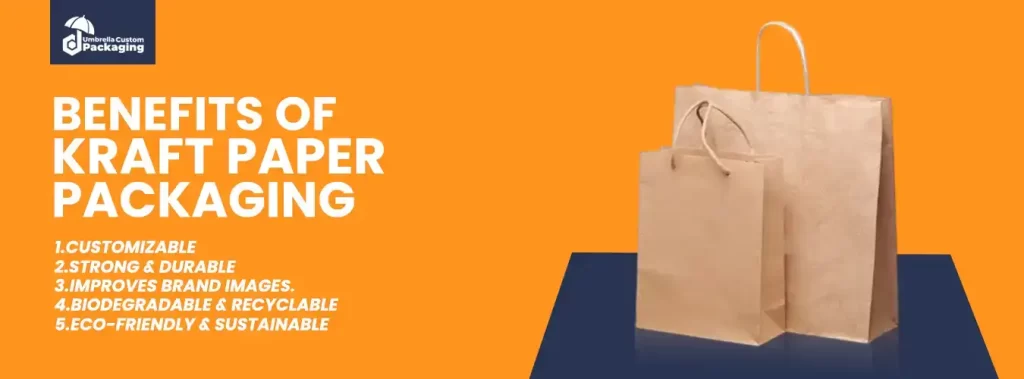
It offers many benefits, including strength, durability, and eco-friendliness. It comes from natural materials, which makes it biodegradable and recyclable, helping reduce waste and pollution.
Its tough fibers make it perfect for packaging, as it can hold heavy items without tearing. Additionally, people use kraft paper for everything from bags and boxes to wrapping and crafts, all while making an eco-friendly choice for both businesses and consumers.
As more people care about the environment, kraft paper is becoming even more popular. Companies are finding new ways to use it, like making paper straws and plantable seed paper. Technology is also improving, so it is becoming stronger and more versatile.
Umbrella Custom Packaging excels in creating a wide range of kraft products, including kraft boxes, kraft paper bags, and kraft wrapping materials. Their expertise allows them to design durable and eco-friendly packaging solutions for various industries.
These products combine strength, sustainability, and versatility to meet the unique needs of their customers. The company designs custom packaging that caters to different industries, from retail to food packaging, ensuring that each box meets the specific needs of clients.
Kraft paper is particularly well-suited for this purpose because of its ability to protect items during shipping without compromising on quality or appearance. We are excellent at making these kraft paper products:
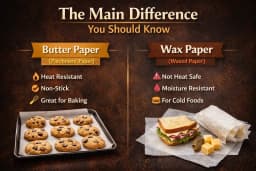
People often mix up cooking papers like wax paper, butter paper, and parchment paper. One big confusion is thinking wax paper and butter paper are the same, but that is not true. They look and feel similar, but they are different. Read this blog to learn the key differences and pick the right one.
Wax paper is a thin paper coated with a thin layer of wax, which makes it waterproof and non-stick. Because of this coating, it is great for wrapping cold foods like sandwiches, cheese, or butter without anything sticking to it. It can also help keep food moist for a short time.
On the other hand, wax paper is not heat-resistant. This means you should never put it in the oven, since the wax will melt and could even cause a fire. Instead, we use it for kitchen tasks at room temperature, like lining countertops or separating layers of cookies.
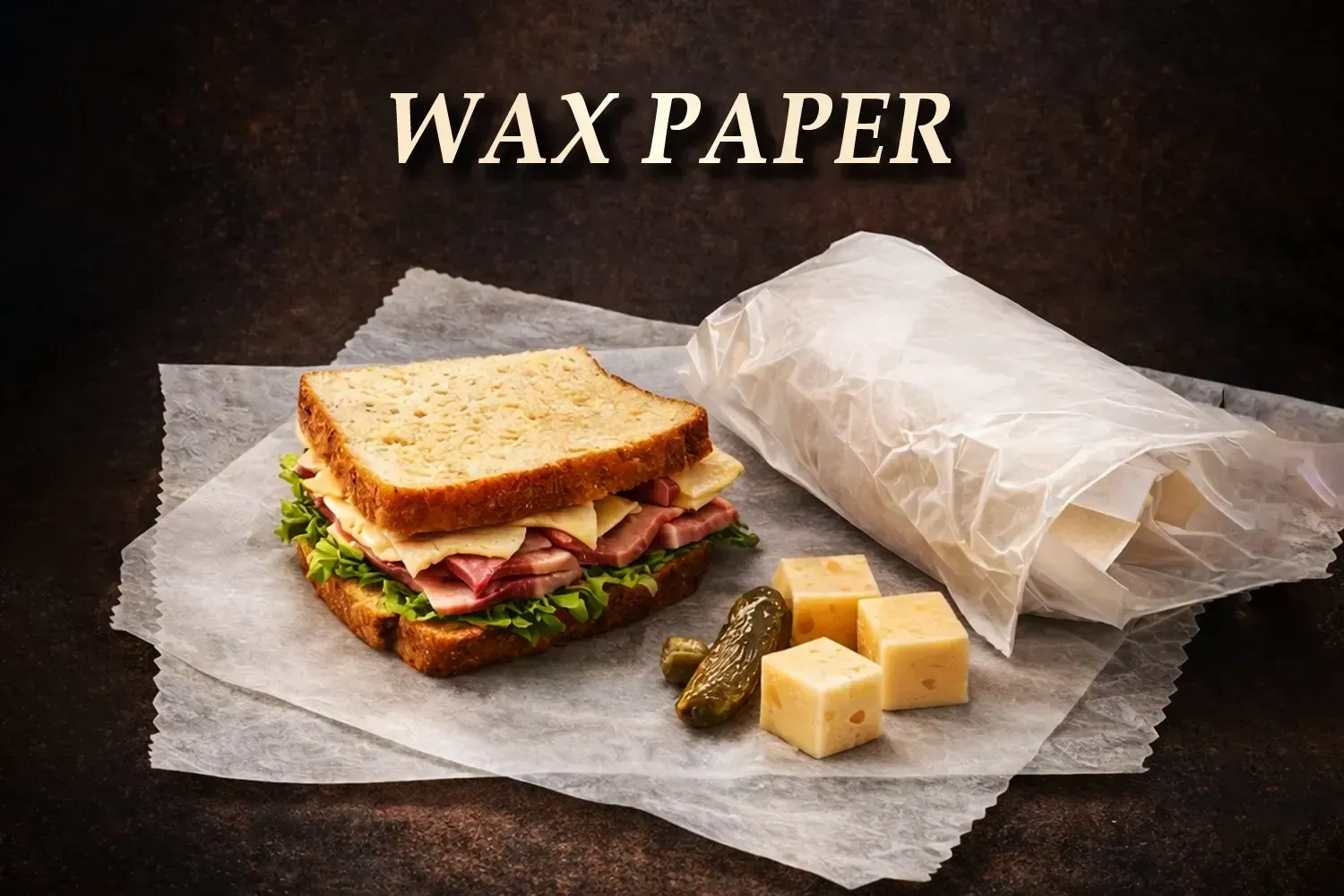
Butter paper is a thin, smooth paper that has been treated to be non-stick and grease-resistant. In most countries, it is exactly the same thing as wax paper; our manufacturers make it by coating the paper with a thin layer of wax. This is why it is often used to wrap butter, hence the name, as it prevents the butter from melting onto your hands or sticking to its wrapper.
However, it is very important to know that in some specific baking contexts, people might use the name "butter paper" to mean parchment paper. However, this is less common. Just like wax paper, the most common type of butter paper cannot go in the oven because the wax will melt. It is best for wrapping cold or room temperature foods and lining baking trays that will not be heated.
It depends on what you are doing. There is no single "best" because each one shines in different situations.
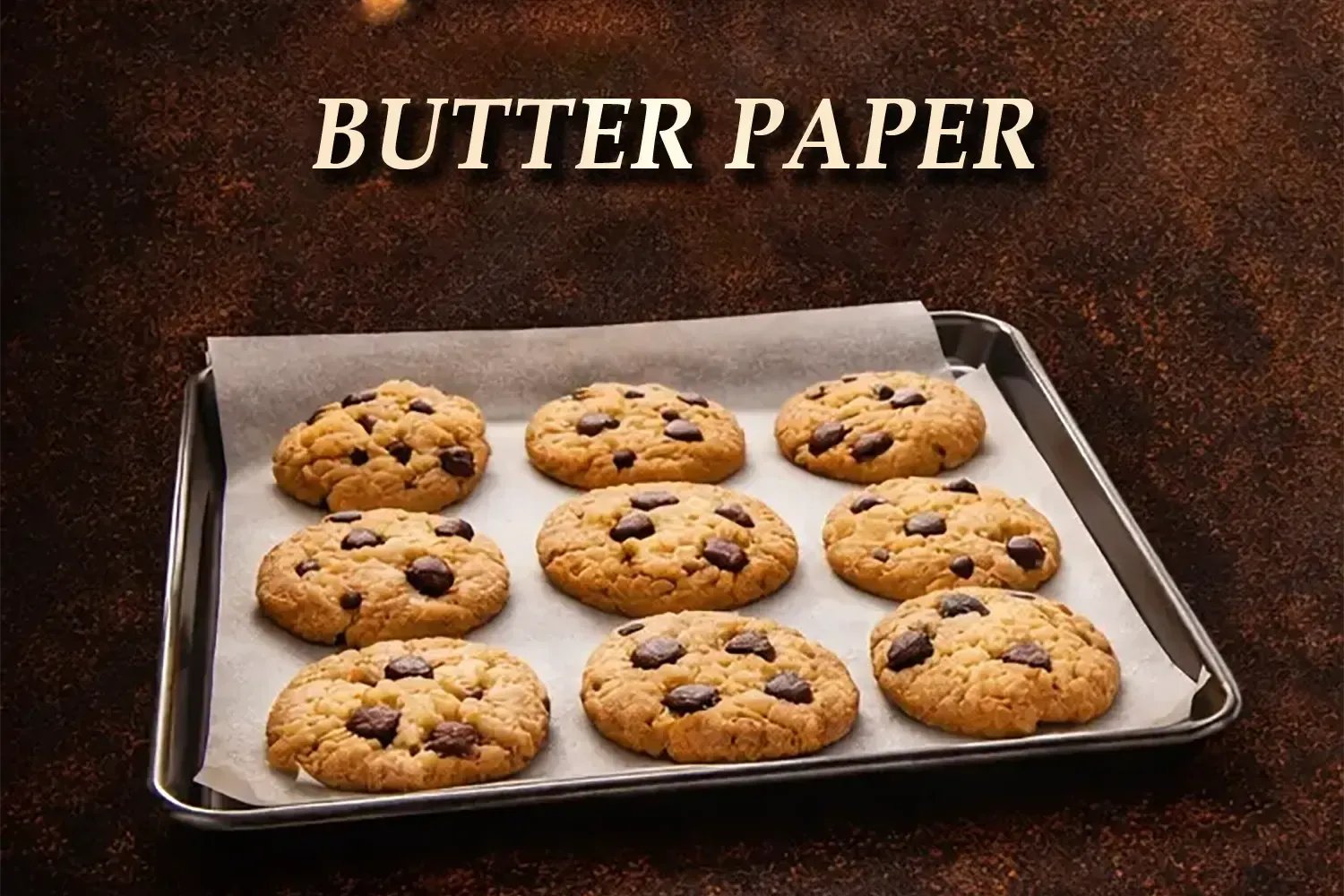
· Butter paper is the best option when you use heat. For example, if you bake cookies, cakes, bread, or roast vegetables in the oven, choose butter paper. It handles high temperatures without melting or burning.
· Wax paper is the best option when you work with cold food. For example, if you wrap a sandwich, separate cheese slices, or line a plate for messy snacks, choose wax paper. It costs less and works great for cold jobs.
Therefore, the best option depends on your job:
Hot job →Butter paper is best.
Cold job → Wax paper is best.
· Wrap cold sandwiches
· Separate cheese or meat slices
· Line plates for messy snacks like barbecue chicken
· Freeze burger patties or chicken breasts
· Cover a bowl of dough while it rises
· Roll out pie crust or cookie dough
· Bake cookies, cakes, and brownies
· Line cake pans or baking trays
· Roast vegetables or potatoes
· Steam fish or chicken in a paper packet
· Cover a casserole in the oven
· Roll out sticky dough
Use butter paper for baking. Butter paper handles heat well. Wax paper cannot handle heat. Wax paper melts in the oven. It smokes and ruins your food. So never, put wax paper in a hot oven.
Butter paper has a silicone coating. This coating loves heat. However, you can line your baking tray with butter paper. Bake cookies or cake on it. After baking, the food slides right off. No sticking and no mess.
You can use wax paper for preparing baking items. Roll out cookie dough on wax paper. Cut shapes on it. Then move the dough to a butter paper tray. You can also cover rising dough with wax paper. However, do not put wax paper in the oven.
In short, butter paper goes inside the oven. Wax paper stays outside. Pick the right paper for happy baking.
Wax paper is great for wrapping cold foods like sandwiches, cheese, and butter because its waxy coating keeps food from sticking and locks in moisture. Butter paper, which is often the same as wax paper, works well for storing oily or greasy foods, such as burgers or pastries, since it resists grease.
However, remember that neither should be used for hot foods or put in the freezer for very long, because the wax can crack or melt. For short-term, cold storage, both are perfect choices.
Wax paper and butter paper look alike but they are not the same. Use wax paper for cold or room-temperature tasks, such as wrapping food or separating sticky items. Do not put wax paper in the oven or microwave. Use butter paper (parchment paper) for baking, roasting, and any hot oven cooking. Moreover, for cookies, cakes, and all baking, always choose butter paper. For a simple sandwich wrap, choose wax paper.
No, it is still not safe. Even at low temperatures, the wax coating can melt onto your food or the oven rack. Stick to parchment paper for any type of heating.
Yes, parchment paper and baking paper are two names for the same thing. Both can go in the oven because they have a special coating that handles heat. Butter paper is not the same it has no heat-resistant coating, so it cannot be used for baking.
Not necessarily. Many wax paper bags and sheets are made from natural wax and can be recycled or composted, making them a better choice than plastic for short-term food storage.
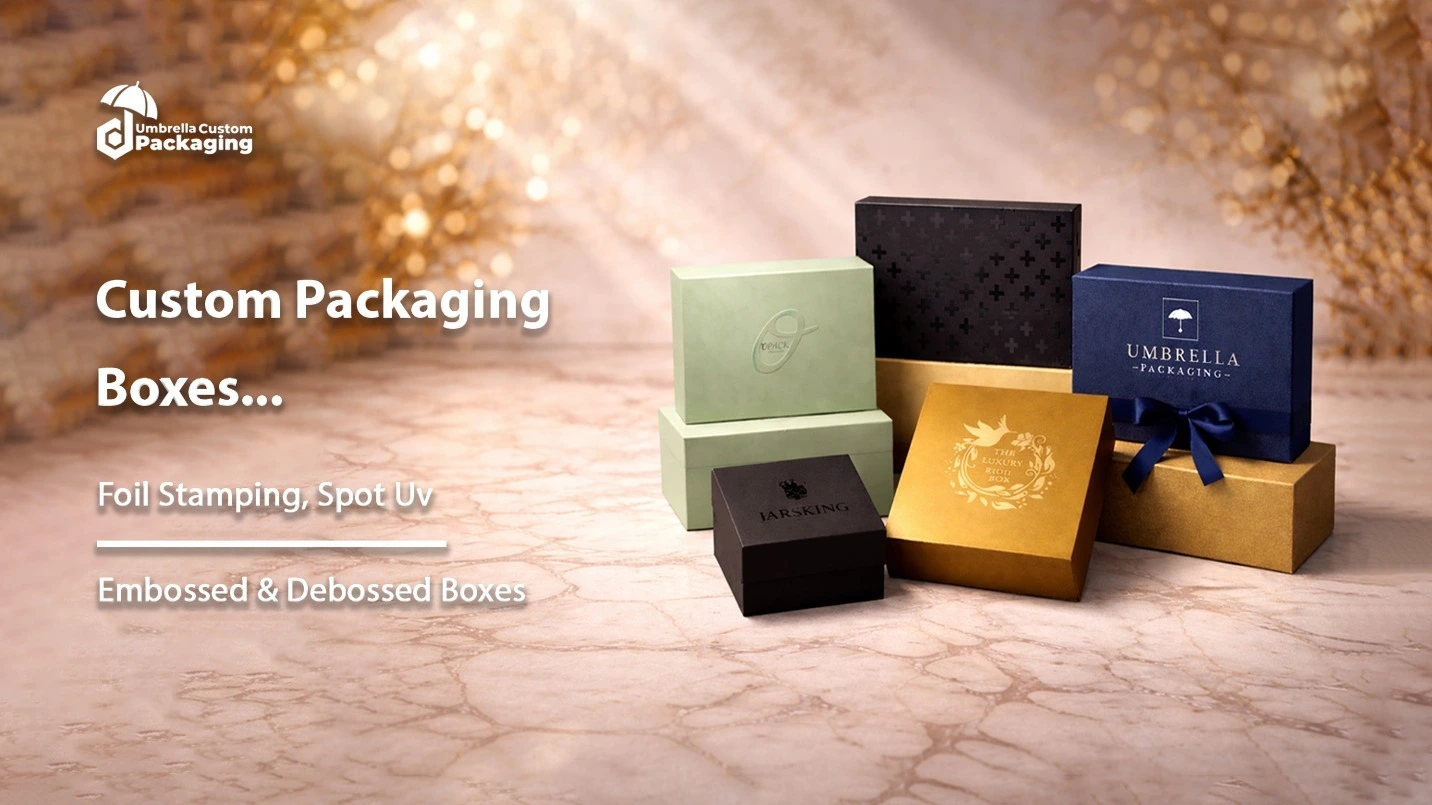
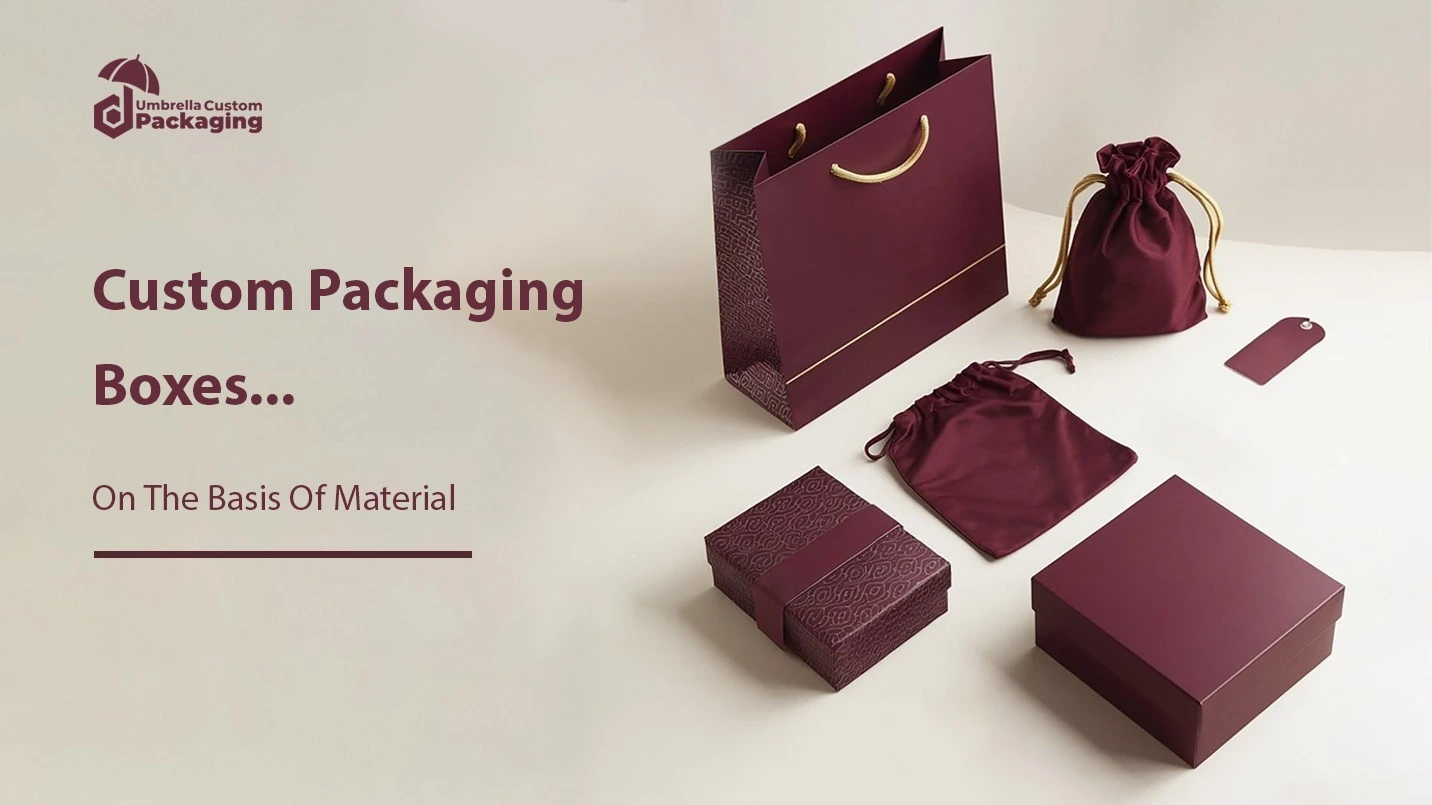
This guide covers everything you need to know about custom packaging boxes. Picking the right custom packaging box is not just about looks, it is a smart business decision that protects your products, saves money, and keeps customers happier.
First, paperboard or cardboard is thin, stiff, and lightweight, like a cereal box. It is cheap, folds flat, and prints beautifully, but it is not very strong or waterproof.
Next, linen is a natural fabric made from flax plants, often wrapped around rigid boxes. It looks elegant and feels soft, but it can stain easily and costs more than paper.
Then, bux board is a thick, dense paperboard that is very sturdy but still foldable. It is often used for rigid box bases or luxury cartons because it holds shape well.
After that, rigid board is a very thick, non-foldable material that stays permanently shaped. It feels heavy and premium perfect for iPhone boxes or luxury gifts, but it costs more and takes up storage space.
Moving on, corrugated board has a wavy middle layer between two flat liners. It is super strong, great for shipping boxes and stacks well, though printing is not very sharp.
Finally, fabric and textile boxes are rigid boxes covered with soft materials like velvet, silk, or cotton. Moreover, they look and feel very luxurious, ideal for jewelry or weddings, but they are expensive and can get dirty easily.
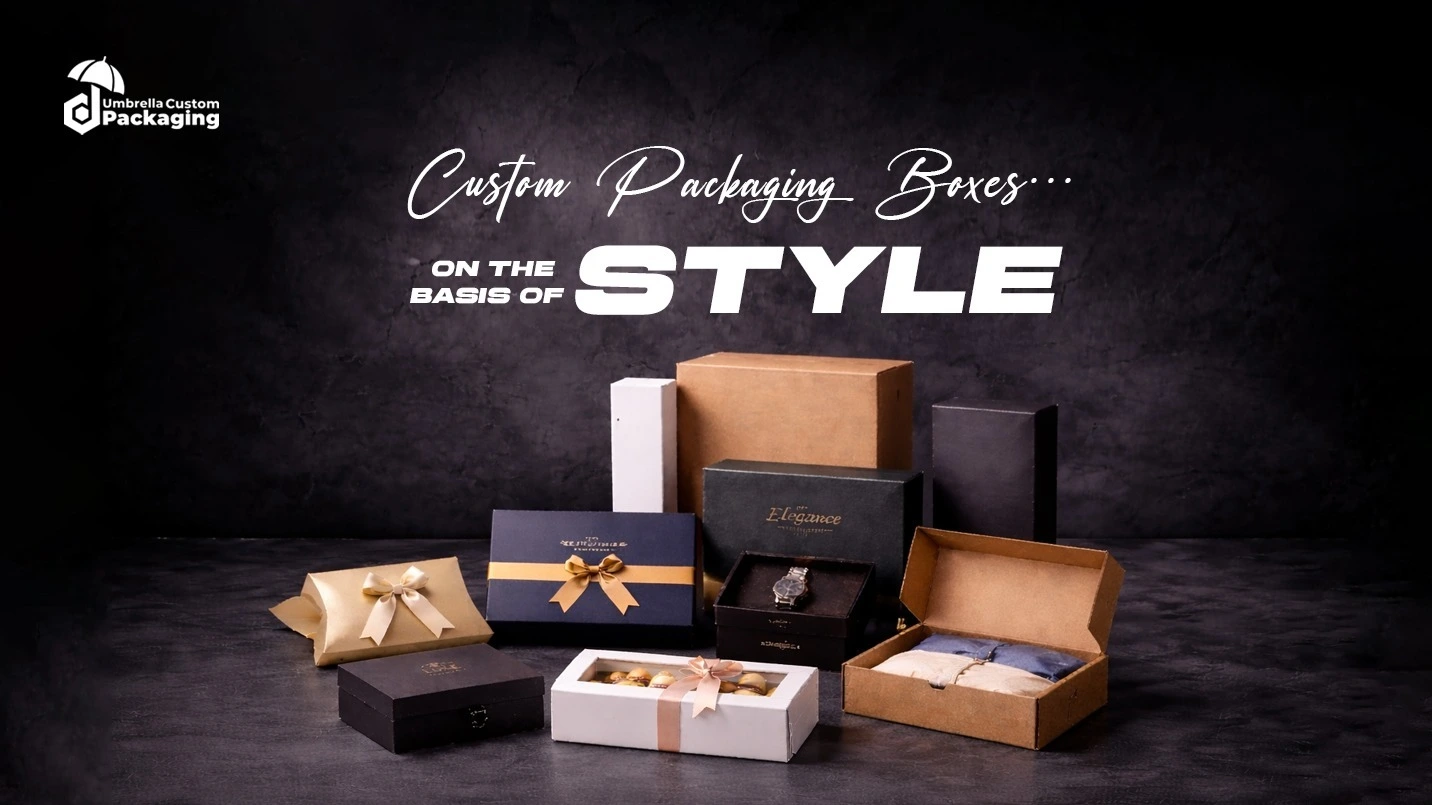
|
Style |
|
|
Key Features |
|
Pillow Box |
First, a soft, curved box that bulges in the middle and tapers at both ends, like a pillow. |
Small gifts, candies, jewelry, party favors |
Rounded shape; often held closed by ribbon or sticker |
|
Foldable Carton |
Next, a flat box made from thin paperboard that can be folded into shape when needed |
Retail products like cereal, medicine, cosmetics |
Ships and stores flat; saves space |
|
Tuck End Box |
A carton where the top and bottom flaps tuck into slots on the sides to close. |
Small electronics, soap bars, tea bags |
No glue needed; easy to open and close |
|
Shipping Box |
A strong, plain box used to pack and send products through the mail or courier. |
Online orders, moving boxes, industrial goods |
Made of thick corrugated board; very durable |
|
Regular Slotted Container (RSC) |
Moreover, a standard shipping box where the top and bottom flaps meet exactly in the middle. |
General shipping, e-commerce orders, moving |
Most common and cheapest shipping box style |
|
Drawer Box |
A box with an outer sleeve and an inner tray that slides out like a drawer. |
Premium gifts, electronics, watches, cosmetics |
Elegant unboxing; reusable for storage |
|
Mailer Box |
In addition, a sturdy box with a separate lid that fits over the base, designed specifically for shipping products. |
Subscription boxes, online clothing orders, gift shipments |
Looks professional; easy to open; strong enough for transit |
Different box types offer different levels of strength. A shipping box holds heavy items, but a pillow box crushes easily.
The way a box opens and looks affects how customers feel. A drawer box feels luxurious, while a regular slotted container feels plain.
Some styles cost more to make and store. Foldable cartons ship flat and save space, but rigid boxes cost more.
Box shapes affect how many fit in a truck. However, rectangular boxes stack neatly, but pillow boxes waste space and cost more to ship.
Moreover, the box style tells customers what kind of brand you are. A window box shows confidence, while a plain tuck end box may look cheap.
Some boxes go straight from the truck to the shelf. Display boxes open instantly, but regular slotted containers need unpacking.
However, different box types use different amounts of material. Foldable cartons are easy to recycle, but plastic window boxes are harder.
Stacking Strength
At the end, weak or oddly shaped boxes collapse when stacked. Regular slotted containers stack well, but pillow boxes cannot be stacked at all.
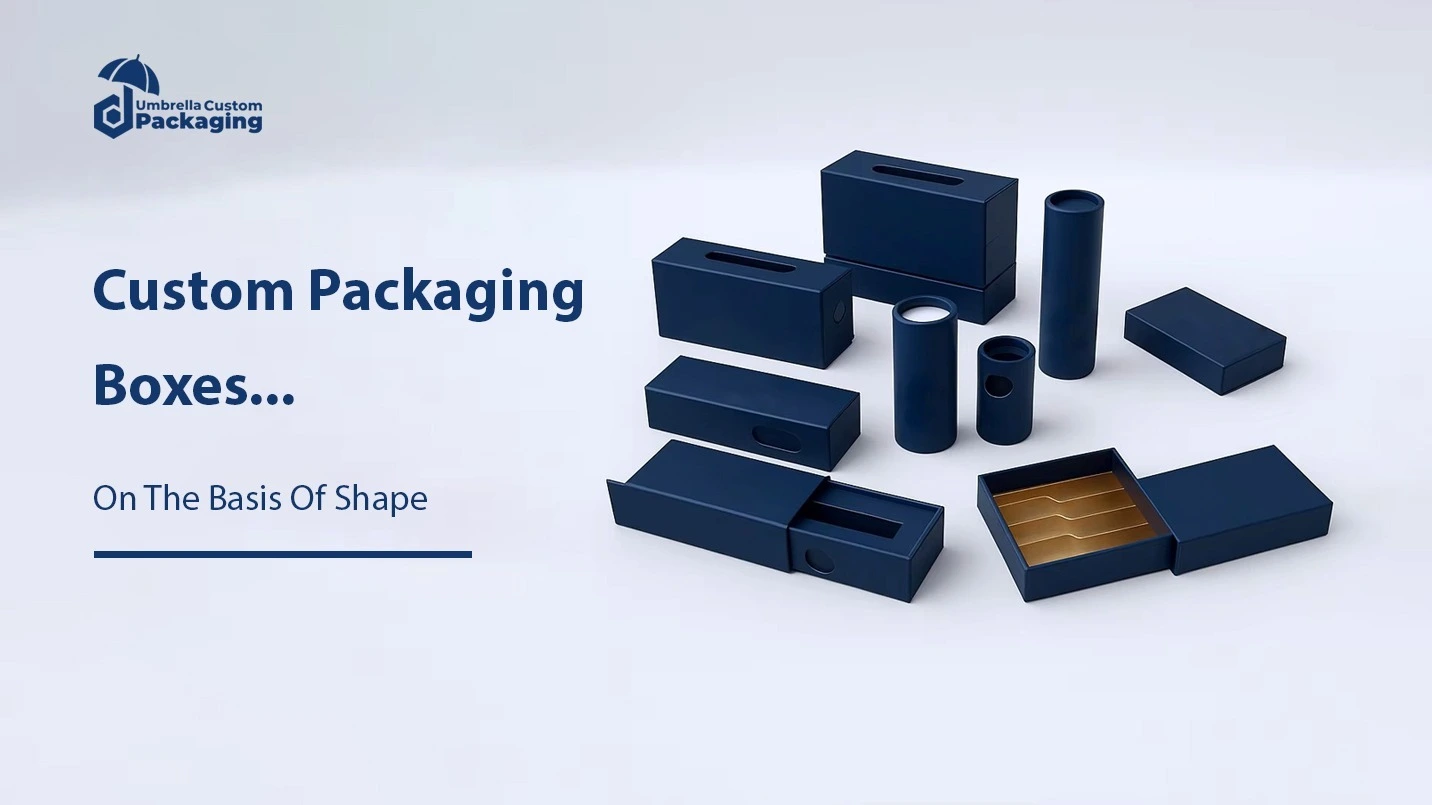
Rectangular Boxes: First, this is the most common shape. In other words, they can be long, short, or tall. As a result, they are great for stacking and shipping. Furthermore, they are cheap and easy to make. For example, a pizza box, a shoe box, and a shipping carton are all rectangular.
Square Boxes: Moving on, square boxes have equal length and width. Consequently, they look balanced and modern. Moreover, they are perfect for small luxury items like watches or jewelry. However, they are slightly less efficient for shipping compared to rectangles.
Round Cylindrical Boxes: Next, round cylindrical boxes look like a can or tube. Therefore, they are very eye-catching on shelves. In addition, they are good for candles, chips, or whiskey. Nevertheless, they are not space-efficient for shipping.
Triangular Boxes: After that, triangular boxes have three sides with a triangle base. As a result, they are unique and memorable. On the other hand, they are bad for stacking and costly to make. Thus, we only use them for special events or fancy gifts.
Hexagonal and Octagonal Boxes: Moving forward, hexagonal boxes have six sides, while octagonal boxes have eight sides. Because of this, they look elegant and strong. In addition, they offer more surface area for printing. Yet, they are less efficient to ship than rectangles, but they are very pretty.
Pyramid Boxes: Then, pyramid boxes come to a point at the top like a small Egyptian pyramid. For this reason, they look dramatic and fun. However, they cannot be stacked at all. Therefore, they are best for party favors or product launches.
Tubular Boxes: Finally, tubular boxes are long, narrow, and hollow like a mailing tube. As a result, they are perfect for posters, yoga mats, or rolled documents. Although they are not good for stacking, they are ideal for long items.
|
Add-on Type |
Description |
Visual Effect |
Best For |
|
Lamination |
A thin plastic layer applied to the box surface. |
Makes box shiny (gloss) or soft (matte); also waterproof |
Retail boxes, food packaging, cosmetics |
|
Textured Finish |
A rough or patterned surface instead of smooth paper. |
Feels like linen, leather, or silk to the touch |
Luxury gifts, wedding favors, premium brands |
|
Spot UV |
A glossy, raised coating applied only on specific areas |
Creates shiny logos or text on a matte background |
Brand names, product titles, special designs |
|
Embossing |
Raising a design upward from the paper surface. |
Gives a 3D, bumpy feel to logos or patterns |
High-end packaging, book covers, certificates | |
|
Debossing |
Pressing a design downward into the paper surface. |
Creates a dented, sunken look that feels like an imprint |
Elegant boxes, minimalist branding, wine boxes |
Where to Find the Best Custom
Packaging
At Umbrella Custom Packaging, we help you find the perfect custom packaging for your product. Whether you need primary packaging that directly touches your product, secondary packaging for retail displays, or tertiary packaging for shipping, we have it all. In addition, we offer every material, shape, and style you can imagine, from simple foldable cartons to luxurious drawer boxes and telescopic tubes.
Our team makes the whole process easy for you. Just tell us what product you want to pack, how much protection it needs, and what kind of look you want for your brand. Then, we will suggest the best box type for your budget, whether you need strong shipping boxes for online orders or beautiful window boxes for store shelves. We also help you save money by choosing styles that stack well and ship efficiently.
Therefore, if you want the best custom packaging that protects your products, pleases your customers, and fits your budget, look no further than Umbrella Custom Packaging. We deliver high-quality boxes that are easy to use, good for the environment, and designed to make your brand shine. So, contact us today, and let us pack your products the right way.
Custom packaging boxes come in many types based on function, material, shape, and style. Specifically, primary, secondary, and tertiary packaging serve different roles, while materials like paperboard, corrugated, rigid, and plastic offer various levels of strength and cost. Furthermore, shapes such as rectangular, round, and tubular, along with styles like pillow, tuck end, flip top, display, window, drawer, and telescopic boxes, all solve different needs.
Therefore, the best packaging depends on your product and budget, but you do not have to figure it out alone. Finally, at Umbrella Custom Packaging, we help you find the perfect custom packaging that protects, impresses, and saves you money.
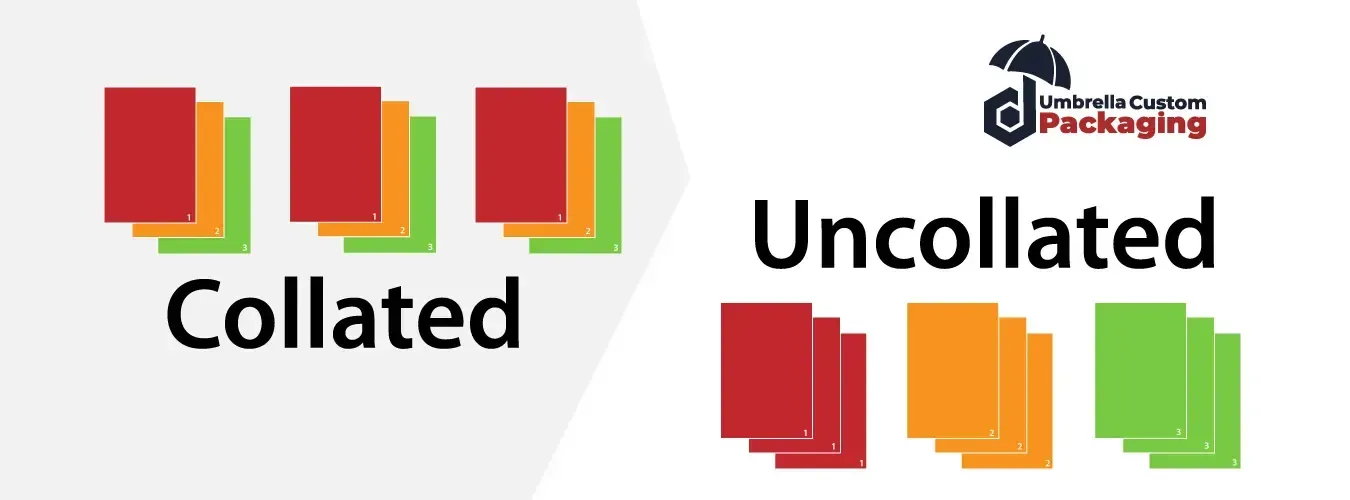
Collate simply means the printer automatically sorts your pages into complete sets for you. When you print multiple copies of a multi-page document with collate turned on, the printer prints one full copy (like pages 1 through 5 in order), then prints the next full copy, and so on.
Without collate the printer would print all copies of page 1 first, then all copies of page 2, forcing you to manually sort and assemble each set yourself.
Collate simply means the printer arranges your pages into complete sets for you. For instance, if you need three copies of a five-page report and you select collate the printer will print one full set of pages 1 through 5, then another full set, and then a third full set.
This way, you get perfect stacks you can use right away. On the other hand, if you do not select collate the printer will print three copies of page 1 first, then three copies of page 2, and continue like that until the end, so you will have to gather and arrange the pages into the correct order yourself.
You need to print 3 copies of a 3-page document (Page 1, Page 2, Page 3).
The printer creates each copy as a finished set:
Set 1: Page 1 → Page 2 → Page 3
Set 2: Page 1 → Page 2 → Page 3
Set 3: Page 1 → Page 2 → Page 3
Result: You get 3 complete stacks you can use immediately.
The printer groups all identical pages together:
All Page 1’s: Page 1 → Page 1 → Page 1
All Page 2’s: Page 2 → Page 2 → Page 2
All Page 3’s: Page 3 → Page 3 → Page 3
Result: You have to manually sort and assemble each set yourself.
Collate printing simply means arranging and printing multiple items together as one complete set. In the packaging industry, this process groups individual products into a single bundle with printed wrapping.
First, collate printing helps make variety packs. For example, it wraps 24 beer cans together in one printed plastic cover. As a result, this saves money and cuts down on waste.
Additionally, companies print nice pictures and logos on the wrap. Consequently, products look good on store shelves ,and this helps brands get noticed.
Furthermore, collate printing handles big orders fast and without mistakes. For instance, when a store chain needs different packs for each location, machines sort everything correctly without slowing down.
Finally, these machines print, pack, and get orders ready to ship all in one go. Therefore, this cuts down on manual work and makes sure the right products reach the right places every time.
Here is the difference between collated and uncollated printing.
Collate Printing | Uncollated Printing |
The printer prints each complete set one after another. | The printer prints all copies of each page together. |
You get finished stacks right away. | You get piles of the same page and must assemble them yourself. |
This method saves you time because you do not have to sort anything. | This method saves the printer time, but you have to do the extra work of sorting. |
It is best for handouts, reports, or booklets. | It is best for things like flyers or forms where you keep pages separate. |
Companies use collated printing for reports. For example, when they get ready to share quarterly reports with board members, collation gives each person a complete set with pages in the right order. This saves time during meetings and makes everything look neat and professional.
Companies also use collated printing for employee handbooks. When they print fifty copies of a twenty-page manual, collation creates fifty booklets that are ready to use. So new workers get complete guides with no pages missing.
Teachers use collated printing for tests and course packs. This way, each student gets a full set of papers at once and does not have to wait for someone to sort the pages.
Weddings and conferences use collated printing for their programs. Guests then get booklets that go in order from cover to cover without needing to put them together themselves.
Businesses make catalogs and small magazines using collated printing. The printer takes care of the entire page sorting, so the finished booklets come out ready to hand out.
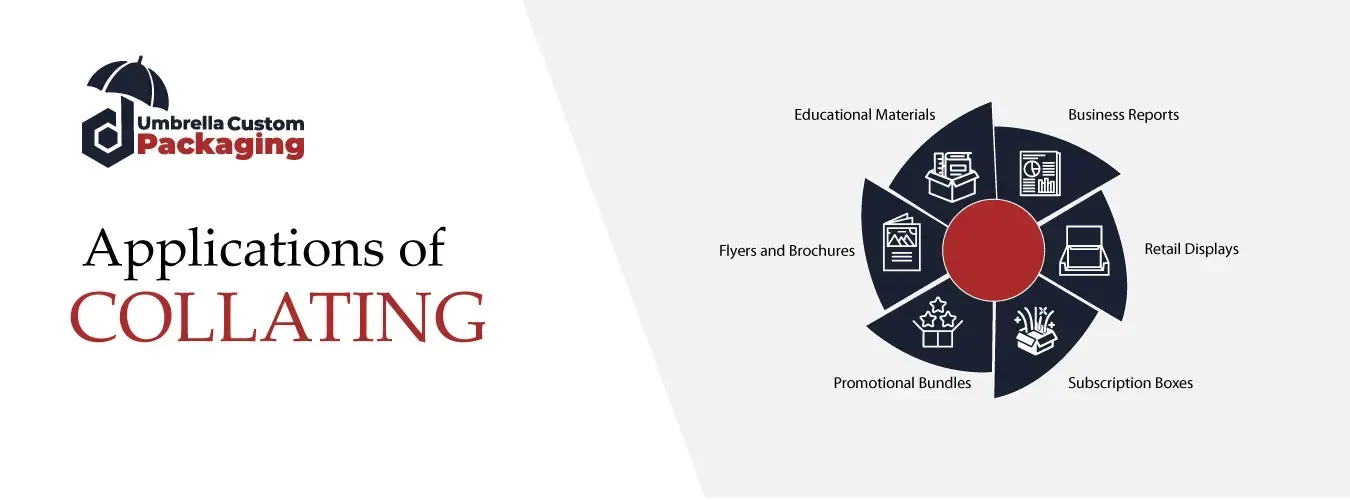
Variety Packs
Collate printing works great for variety packs. For instance, snack companies bundle different chip flavors together in one printed bag. Similarly, beverage companies combine various drinks into single multi-pack wraps.
Promotional Bundles
Businesses use collation for special offers. A coffee brand might bundle different roasts together with printed sleeves. This encourages customers to try more products.
Sample Packs
Cosmetic and food companies use collation for sample packs. They group multiple small products together with printed information. Therefore, customers can test several items at once.
Subscription Boxes
Monthly subscription services rely heavily on collation. They assemble unique product combinations for each subscriber. Additionally, they print custom packaging and ship complete sets without manual sorting.
Retail Displays
Stores receive pre-collated product bundles ready for shelves. This means employees simply open boxes and place multi-packs directly on display without extra work.
Our Expertise in Collated Printing
At our company, we use collated printing every day. We manufacture all kinds of custom products, including packaging boxes, brochures, cups, banners, displays, stickers, and labels. Collation helps us assemble multi-page brochures in the correct order so they arrive ready for your customers.
Similarly, when we create user manuals for product boxes, collation guarantees each package contains the right pages. Additionally, for promotional bundles like custom cups with printed sleeves or banner sets, collated printing ensures every piece matches perfectly.
Our clients receive professional, organized products without any sorting hassle. In short, collation helps us deliver accuracy and quality in everything we make.
Final Thought
In short, collate printing makes it easy to put multi-page papers in good order. Whether you print school projects, books, or product boxes, collation keeps everything neat and ready to use. Using this option saves time, reduces mistakes, and gives you tidy results with every print job. So next time you print many copies, just let the printer do the sorting for you, it is the smart choice.

The dimensions and design of a tissue box serve as a silent salesperson, directly capturing customer attention and influencing the crucial moment of purchase. Therefore, selecting the right size is about much more than simple measurements. It is a strategic choice that balances essential functionality with aesthetic appeal.
Ultimately, the correct proportions not only ensure the box works well but also enhance the visual harmony of any space it occupies. Here is the complete guide regarding the tissue box dimensions.
The most common standard tissue box size, often called a facial tissue cube, measures approximately 4.5 inches in width, 9 inches in length, and 5 inches in height. We designed this rectangular shape to fit most decorative tissue box holders for home use.
This makes it the default size you will find on most store shelves. While there are many variations, such as compact travel sizes or larger cube boxes, this 4.5” x 9” x 5” dimension is the industry standard for regular household tissue boxes.
Here is a clear and simple flow chart diagram to help you visualize measuring a tissue box systematically. Ultimately, this flowchart breaks down the process into two main steps: measuring the main box and measuring the opening and guides you smoothly to the final goal of finding the perfect fit.

Tissue boxes come in a few standard shapes, each with its own practical and visual appeal.
This is the classic and most popular shape. A rectangular box is longer than it is wide. This elongated design fits perfectly on narrow ledges, like a windowsill or the back of a toilet tank, and it feels very familiar to hold.
Square boxes offer a neat, balanced, and modern appearance. Because all their sides are equal in length, they tuck very neatly into square holders or the corner of a counter without sticking out awkwardly.
A cube box takes the square shape and adds significant height, creating a sturdy, substantial feel. However, this design maximizes capacity, allowing the box to hold a larger number of tissues, which is ideal for high-traffic areas.
Oval & Round Boxes
These shapes are primarily decorative. An oval or cylindrical box provides a soft, elegant look that can elevate the style of a living room or bedroom. In addition, their curved design usually requires a matching holder or a stable surface to prevent them from rolling.

In this table, we will discuss common tissue box dimensions based on their primary shape. Dimensions can vary by brand and design.
Shape | Typical Dimensions (Length x Width x Height) |
Rectangular | 9 inches x 4.5 inches x 5 inches |
Square | 5 inches x 5 inches x 5 inches |
Cube | 5.5 inches x 5.5 inches x 5.5 inches |
Oval / Cylindrical | Diameter: ~4.5 inches, Height: ~ 5 inches (varies) |
Several important factors determine the final size and shape of a tissue box.
1. Purpose & Placement
The size of a tissue box depends on where and how it will be used. For instance, we make small travel boxes to fit easily in bags, and decorative boxes for living rooms are often bigger or have a special shape. Likewise, boxes designed for cars or desks are slimmer so they can fit into tighter spots.
The number of tissues inside and how they are folded directly decide the box’s volume. A higher tissue count requires a taller or wider box. In addition, pop-up tissues need a certain height to function, while flat C-fold tissues allow for shorter box designs.
Branding and visual appeal play a big role. Often, luxury brands use cube or oval shapes for a premium look, while standard brands stick to efficient rectangles. Furthermore, unique designs for holidays or events may use non-standard dimensions to stand out.
How boxes are shipped and sold affects their size. Manufacturers often design boxes to fit efficiently on store shelves and in shipping cases. Therefore, a standard dimension has become common because it optimizes logistics and display.
In short, tissue box dimensions are a balance of function, content, style, and logistics.
At Umbrella Custom Packaging, we design and create custom tissue boxes that go beyond the ordinary. We turn your vision into a tangible product that adds style, personality, and purpose to any space.
Branded Tissue Boxes: We print your company logo, colors, and message on high-quality boxes, turning everyday items into effective marketing tools.
Event & Wedding Tissue Boxes: However, we create beautiful designs to match your theme, color palette, or special date, adding a thoughtful touch to your celebration.
Personalized Gift Boxes: Moreover, we help you design unique boxes for birthdays, holidays, or housewarmings that feel personal and special.
Bespoke Designs: From shape to finish, we work with you to create a completely custom look that stands out.
Choosing the right size is not just about numbers: it is a smart business move. Working with a packaging expert helps you mix your brand's look with a design that actually works well. We also help you create a great unboxing experience while keeping production affordable. Moreover, we make sure your tissue box looks beautiful and is easy for customers to use. In short, we help you create tissue boxes that people notice and remember.
The Bottom Line
In short, a tissue box's size really matters. It shows how useful, attractive, and well-designed it is. Whether you choose a common rectangle or a custom shape, the right size is important for both function and style.
In other words, by thinking about where the box goes, how it works, and how it looks, you create more than just a holder for tissues. Ultimately, you create something that fits nicely into any space and shows thoughtfulness and quality.
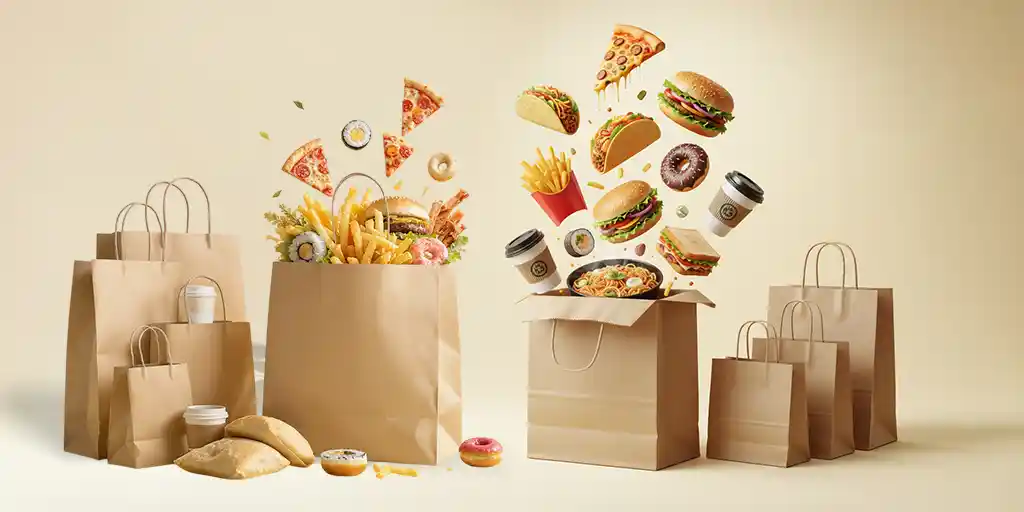
A takeout paper bag is simply a paper bag you get from restaurants or food shops. Then, you use it to carry your meal home because the food is for eating elsewhere, not at the store.
First, these bags are often sturdy so your food does not spill. Many also have a special folded bottom to help them stand up straight. Next, you will often see a handy flap on the sides, which makes the bag easier to carry. Finally, some bags even have a wax or plastic lining inside, which safely holds greasy or wet food without leaking.
A standard takeout bag is typically a medium-sized bag, and it often measures about 7 inches wide by 12 inches tall. This specific size is very common because it perfectly fits a classic burger container, a side of fries, and a drink all at once. Furthermore, its tall shape is important because it keeps your drink cup standing straight and prevents messy spills on the way home.
However, remember that restaurants use different bags for different foods. For example, a pizza place will use a wide, flat bag, while a coffee shop might use a much smaller one for a muffin. Therefore, while that medium bag is the most familiar standard, the best size always depends on your specific meal.
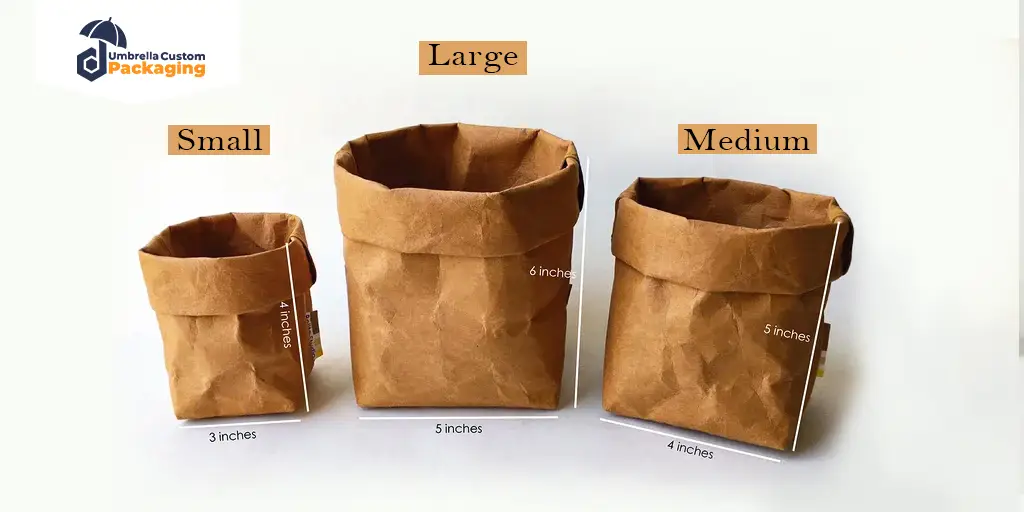
However, you can think of takeout bags in three main sizes that are as following.
|
Bag Size |
Typical Dimensions (Inches) |
Typical Dimensions (Centimeters) |
Best For |
|
Small |
4" wide x 7" tall |
10 cm wide x 18 cm tall |
A drink cup, a single sandwich, or a pastry |
|
Medium (Standard) |
7" wide x 5" deep x 12" tall |
18 cm wide x 13 cm deep x 30 cm tall |
A combo meal with a burger, fries, a drink, and condiments. |
|
Large |
8" wide x 6" deep x 14" tall |
20 cm wide x 15 cm deep x 35 cm tall |
Family-sized meals, multiple containers, and several drinks. |
Here are the key factors to consider about takeout paper bag size in simple bullet points.
First, small bags for a few items; large bags for big meals or multiple drinks.
Next, tall bags for drink cups; wide, flat bags for pizza boxes.
Furthermore, heavy items like bottles need strong, thick paper to avoid tearing.
In addition, a snug fit keeps containers upright and prevents spills.
Ease of Carrying:
Moreover, large or heavy orders are easier to carry with sturdy handles.
Finally, using the right size avoids wasting material and saves money.
First, the right bag size keeps your food safe. Imagine a tiny bag for a big meal – the food would be crushed and make a mess! However, a bag that fits just right holds your containers tightly. This means your drink will not tip over and your fries will not spill everywhere on your way home.
In addition, the perfect bag size helps everyone. For you, it is easy to carry without any trouble. For the restaurant, it saves money and paper instead of wasting it. In addition, when your food arrives perfectly in a nice-looking bag, it makes the restaurant look smart and makes you happy!
First, you have flat bags. These bags are simple and have no bottom, just like a big folder. People use them mostly for flat things, like pizza boxes or a stack of folded food boxes. They are great for carrying wide, flat items.
Next, the most common type is the square-bottom bag. This bag has clever folds at the bottom that let it stand up straight all by itself. This is super helpful because it keeps your drink cups and food containers from falling over and spilling. That is why you see this style everywhere in fast-food restaurants.
Finally, some bags have special handles. These can be flat-bottom or square-bottom bags, but they add strong paper handles or ropes to make carrying easier. Moreover, people often use these for heavier orders or for nicer restaurants because they are more comfortable to hold and look fancier.
At Umbrella Custom Packaging, we are true experts in creating every type of takeout paper bag you could possibly need. Whether you serve pizza, coffee, gourmet meals, or fast food, we have the perfect bag for your menu. Furthermore, we understand that every restaurant has unique needs, so we offer an incredibly wide range of styles and sizes.
Our team skillfully makes bags for all kinds of purposes. For instance, we create small, sturdy bags for your pastries and cupcakes. Next, we also produce the classic medium-sized bags that perfectly hold a combo meal with a drink. Moreover, for larger family orders, we create strong, large bags with secure bottoms and comfortable handles to make carrying easy for your customers.
Ultimately, our goal is to solve your specific packaging challenges. We use high-quality, durable materials so your food arrives safely and looks great. Therefore, when you collaborate with us, you can stop worrying about packaging, and instead focus on serving your amazing food.
We offer Packaging Boxes delivered to your door. Secure, professional, and affordable, our custom made packaging boxes are guaranteed to protect and transport your valuable items. Our devoted team is always there to serve you.














Our Secure Payment Modes
© 2026 Umbrella Packaging All rights reserved.