ckaging for toys, electronics, and food. This type of packaging is very common and helps keep things safe and easy to handle.
A carton is a box made from paperboard or cardboard. It can be used to hold products, keep them organized, and protect them from getting squashed or broken. Cartons are often rectangular or square, but they can come in many different shapes and sizes depending on what they need to hold.
There are different types of cartons that we use for different purposes. Some cartons are used for food, like a cereal box or a milk carton. Other cartons are used for holding toys, electronics, or even clothes. The material used for the carton can vary, but it’s mostly made of paper-based materials, which are strong but lightweight.
Carton packaging started in the early 1800s when Robert Gair discovered that paperboard could be folded into boxes, making packaging simpler and cheaper. Later, people invented corrugated cardboard, which added strength to larger items. These inventions made packaging safer and more affordable.
By the mid-1900s, carton packaging became popular for store products because it was lightweight, customizable, and easy to produce. As people became more concerned about the environment, cartons became a better choice because they are recyclable. Today, carton packaging keeps evolving, offering sustainable solutions for businesses around the world.
This packaging has some special features that make it different from other types of packaging.
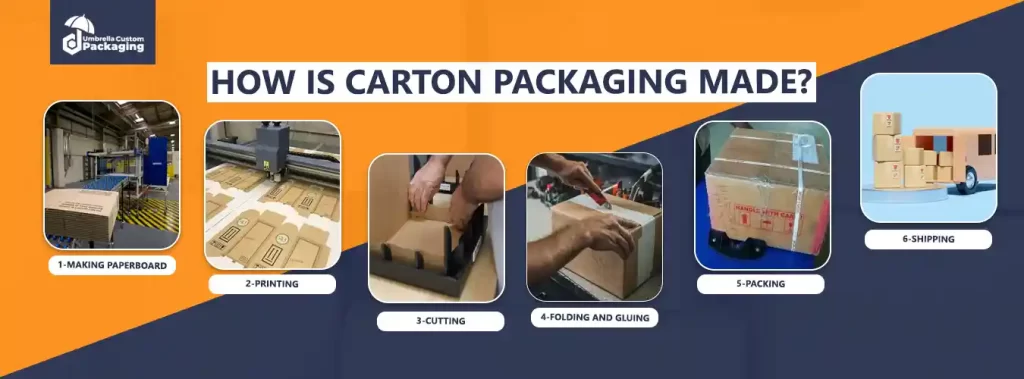
Carton packaging begins with paper pulp made from wood or recycled paper. Workers mix the pulp with water to create a thick, mushy mixture. They then spread it in a thin layer and dry it to form a paperboard. Paperboard is thicker and stronger than regular paper, making it perfect for packaging.
Once the paperboard is ready, it can be cut into large sheets, which are then shaped into cartons. The process of making carton packaging typically goes like this:
Carton packaging plays a huge role in transporting, storing, and selling products. Here are some of the reasons why carton packaging is so important:
One main reason we use carton packaging is to keep products safe. For example, if you buy a bottle of shampoo, it’s probably inside a cardboard box to stop it from breaking or spilling. Cartons protect items from bumps, scratches, and other damage.
Cartons also help store products neatly and make organizing easier. You can pack many products into cartons and stack them on shelves or pallets. This helps stores and warehouses keep track of their inventory and store products in an organized way.
The design of carton packaging is important because it helps advertise the product. Companies use bright colors, logos, and pictures to grab attention and make their products look exciting. For example, cereal boxes often show pictures of the cereal and fun characters to attract kids.
Carton packaging is easy to carry and open. Many cartons are designed with handles or easy-to-tear openings so customers can quickly open them and use the product inside. This makes it more convenient for people to enjoy the product.
Because we make many cartons from recycled materials, they are a more environmentally friendly option than other types of packaging, like plastic. Carton packaging can be recycled again after use, which helps reduce waste and conserve resources.
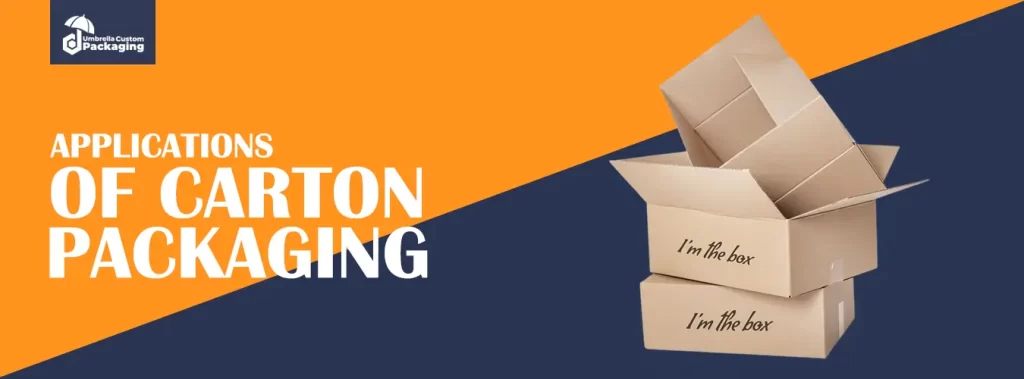
As people become more aware of environmental issues, the demand for eco-friendly packaging keeps growing. Companies are working to make carton packaging more sustainable by using more recycled materials, reducing waste, and designing cartons that are easier to recycle. Some companies are even trying out biodegradable cartons that break down naturally after use.
The future of carton packaging will include new designs and technology. For example, some cartons now have features like built-in handles, spouts for pouring liquids, and even “smart” packaging that can tell you when the product is running low or needs to be replaced.
At Umbrella Custom Packaging, you can find many types of carton packaging designed to fit the needs of your business. They offer custom cartons for different industries like food, drinks, retail, electronics, and more. Here is a look at the kinds of carton packaging you can find with them:
These are great for packing products like snacks, cosmetics, toys, and small electronics. Folding cartons are lightweight and cost-effective, and you can print designs on them, making them great for branding and attracting customers.
For larger or heavier items, like appliances, furniture, or bulk goods, corrugated cartons are a strong choice. They have layers that provide extra protection and can handle heavier products.
For items sold in stores, we can create cartons that not only protect your product but also make it look attractive on store shelves. We offer custom shapes, colors, and designs that help your product stand out.
If you need packaging for liquids like juice, milk, or ready-to-eat meals, we offer cartons designed to keep the product fresh and prevent leaks. These cartons feature coatings that safely hold liquids.
For premium products or gifts, we can create high-quality, elegant cartons. These sturdy cartons highlight the luxury of your product while keeping it safe.
If you’re looking for more environmentally friendly options, we offer cartons made from recycled materials or that can be recycled. These eco-friendly cartons help reduce waste while still offering strong protection.
If you run a subscription box service, we can provide customized cartons that match your branding and fit the products you’re sending. These cartons can have features like tear-away openings or space for promotional materials.
Carton packaging is a simple but important part of our daily lives. It helps protect products, organize them, and make them easy to carry and use. Carton packaging is everywhere, from the cereal boxes we see at breakfast to the shoe boxes in stores. Thanks to its strength, affordability, and eco-friendly properties, carton packaging will continue to be a popular choice for companies and consumers.
Whether it's a small folding carton or a large, corrugated box, the purpose of carton packaging is clear: to keep things safe, organized, and easy to use. As technology and design improve, carton packaging will continue to evolve, making it an even more important part of the way we store, transport, and enjoy the products we love.
Umbrella Custom Packaging creates packaging that works perfectly for your product, whether you're a small business or shipping large quantities. They can design the right carton packaging for you.
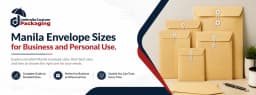
When it comes to sending, storing, or organizing important papers, manila envelopes are one of the most popular choices. They are simple, strong, and easy to use. Many businesses, schools, offices, and even homes use them every day. In this guide, you will learn about Manila envelope sizes, their common uses, and the benefits they offer. What Is a Manila Envelope? A manila envelope is a large paper envelope made from thick and durable paper. It usually comes in a light brown or tan color. Unlike regular envelopes, we design manila envelopes to hold documents without folding them. People often use these envelopes to carry contracts, reports, certificates, legal papers, photographs, catalogs, and other important documents. Because they are strong and reliable, they help keep papers safe from bending, tearing, or getting damaged during storage and shipping. Why Are Manila Envelopes So Popular? People choose Manila envelopes because they are: Strong and durable Lightweight Easy to store Cost-effective Available in many sizes Great for mailing and filing documents They are a simple solution for keeping papers neat and organized. Why Is It Called a Manila Envelope? A manila envelope gets its name from Manila hemp , a strong natural fiber made from the Abacá plant, which was widely grown in the Philippines . In the 1800s, these fibers were exported through Manila and used to make durable paper products because they were stronger and more tear-resistant than regular paper. The paper made from Manila hemp had a natural light brown color and became popular for folders and envelopes used to store important documents. Although modern manila envelopes are usually made from recycled paper or wood pulp, they still keep the same tan color and the historic name " Manila envelope . " How to Choose the Right Manila Envelope Size Before selecting an envelope, ask yourself: What size are my documents? Do I need extra space? Will I mail one paper or many papers? Do I need added protection? Always choose an envelope slightly larger than your document. This prevents bending and keeps papers looking professional. Common Manila Envelope Sizes Choosing the right size is important. The correct envelope protects your documents and gives them a professional appearance. 6" x 9" Manila Envelope This is one of the smaller sizes. This is best for receipts, small documents, photos, booklets, and cards. It is easy to carry and works well for lightweight items. 9" x 12" Manila Envelope This is one of the most commonly used sizes. This is best for letter-size documents, school papers, reports, contracts, and certificates. Most businesses use this size because standard 8.5" x 11" papers fit inside without folding. 10" x 13" Manila Envelope This larger envelope provides extra space. These envelopes are best for thick document stacks, Catalogs, magazines, brochures, and presentation materials. It is a great option when you need to send multiple documents together. Larger Manila Envelopes Some businesses need oversized envelopes for large documents. These envelopes are best for blueprints, architectural drawings, posters, maps, and marketing materials. These envelopes help keep large papers flat and protected. Uses of Manila Envelopes Store employee files, client records, financial reports, contracts, and legal documents in offices. Organize assignments, art projects, certificates, and educational materials in schools. Mail invoices, forms, reports, and business proposals safely and professionally. Keep medical records, bills, tax documents, family photos, and warranty papers organized at home. Protect important paperwork from bending, tearing, and everyday damage. Make document storage, filing, and transportation simple and efficient. Benefits of Manila Envelopes Strong Protection The thick paper material provides better protection than regular paper envelopes. Documents stay safe from tears, folds, and minor damage. Professional Appearance A clean manila envelope looks neat and professional. Businesses often use them when sending important documents to clients and partners. Affordable Packaging Solution Manila envelopes are inexpensive compared to many other packaging options. They provide good protection without increasing shipping costs. Easy to Label The smooth surface makes writing or printing labels easy. This helps businesses stay organized and improves document management. Eco-Friendly Option Moreover, we make many Manila envelopes from recyclable paper materials. This makes them a more environmentally friendly packaging choice. Lightweight for Shipping Even though they are strong, Manila envelopes remain lightweight. This can help reduce mailing and shipping expenses Simple Steps to Mail a Manila Envelope · Place your documents neatly inside the manila envelope. · Seal the envelope securely using the adhesive flap or tape. · Write the recipient's name and address clearly on the front. · Add your return address in the top-left corner. · Attach the correct postage stamp based on the envelope's size and weight. · Double-check that all information is correct and easy to read. · Take the envelope to a post office or place it in a mailbox for delivery. · Keep the tracking number or mailing receipt for future reference if needed. Types of Manila Envelopes Open-End Manila Envelopes – Best for storing and mailing thick document stacks. Open-Side Manila Envelopes – Easy to load and remove papers from the side. Clasp Manila Envelopes – Feature a metal clasp for secure and reusable storage. Expansion Manila Envelopes – Designed to hold bulky files and large quantities of documents. Booklet Manila Envelopes – Ideal for brochures, catalogs, booklets, and reports. Custom Manila Envelopes for Businesses Many companies now choose custom Manila envelopes to improve brand recognition. Custom envelopes can include: Company logo Brand colors Contact information Custom printing Special finishes Branded envelopes help businesses create a professional image and leave a positive impression on customers. From Simple Envelopes to Complete Packaging Solutions At Umbrella Custom Packaging , we make high-quality custom Manila envelopes for businesses of all sizes. Whether you need envelopes for mailing, storing documents, or organizing files, we can create the perfect size and design for your needs. We use strong materials to keep your papers safe and secure. Along with custom manila envelopes, we also offer a wide range of custom packaging solutions. From product boxes to retail packaging, our team helps businesses create packaging that looks professional and promotes their brand. We provide quality packaging, fast service, and affordable prices to help your business grow. Final Thoughts Manila envelopes are a simple yet effective packaging solution for storing, organizing, and mailing important documents. They are durable, affordable, and available in multiple sizes to fit different needs. Whether you need a small envelope for photographs or a larger one for reports and catalogs, a manila envelope size works perfectly for your project. By choosing the right size and quality, you can keep your documents protected while maintaining a professional appearance. For businesses that want stronger branding and better presentation, custom manila envelopes offer an excellent way to combine protection with marketing.
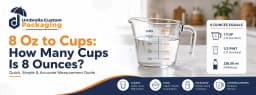
If you are measuring liquid, 8 oz equals 1 U.S. cup.that is the simple answer. When a recipe, drink label, bottle, or measuring cup says 8 fluid ounces, it means the same thing as 1 U.S. cup. It is also equal to 236.59 milliliters, which many brands round to 240 mL. So if you are asking, “How many cups is 8 oz?” or “Is 8 oz a cup?” the answer is yes, 8 fluid ounces is 1 cup. It can also be written as: 8 fl oz = 1 cup = 236.59 mL = 16 tablespoons = 1/2 pint But there is one important detail that many people miss. The word "ounces" can mean two different things. Fluid ounces measure volume, which means how much space a liquid takes up. Ounces by weight measure heaviness, which means how much something weighs on a scale. This is why 8 fluid ounces of water is 1 cup, but 8 ounces of flour, coffee beans, sugar, or body butter may not be 1 cup. The formula is simple: cups = fluid ounces divided by 8 So: 8 divided by 8 = 1 cup That is why 8 oz is one of the most common serving sizes for drinks, sauces, personal care products, and retail containers. In this guide, you will learn what 8 oz means in cups, water, dry ingredients, cans, containers, and product packaging. Is 8 Oz Always 1 Cup? Not always. If you mean 8 fluid ounces, then yes, it equals 1 cup. If you mean 8 ounces by weight, then no, it does not always equal 1 cup. For example, 8 fluid ounces of water fills a 1 cup measuring cup. But if you put flour on a scale and weigh 8 ounces, that flour will usually take up close to 1.8 cups. Coffee beans are even lighter, so 8 ounces of coffee beans by weight may take more than 2 cups of space. On the other hand, honey is heavy and dense, so 8 ounces of honey by weight may take only about two-thirds of a cup. This is why the question "how much is 8 oz in cups?" needs one more detail. Fluid Ounces vs Ounces by Weight A fluid ounce, written as fl oz, measures volume. It tells you how much space a liquid takes inside a cup, bottle, jar, or container. An ounce, written as oz, usually measures weight. It tells you how heavy something is when you place it on a scale. This matters because product labels often use both terms. A juice bottle may say 8 fl oz because the bottle holds 8 fluid ounces of liquid. A coffee bag may say 8 oz net wt because the coffee weighs 8 ounces on a scale. These two labels are not saying the same thing. This is especially important for food brands, skincare brands, candle makers, supplement sellers, and e-commerce businesses. If you choose your packaging only by the number "8 oz," you may end up with a container that is too small, too large, or unsafe for shipping. 8 Oz of Water to Cups For water, the answer is direct. 8 fluid ounces of water equals 1 U.S. cup, which is 236.59 mL. There is one technical note. In U.S. measurements, 8 fluid ounces of water equals 1 cup by volume. But if you weigh that same amount of water on a scale, it weighs about 8.35 ounces by weight, not exactly 8 ounces. For everyday cooking, drinking, and measuring, the simple rule works fine. For product labeling or packaging, it is better to be more exact and separate volume from weight. How Much Is 8 Cups in Oz? Some people ask the opposite question. Instead of asking how many cups are in 8 oz, they ask how many ounces are in 8 cups. The answer is 64 fluid ounces, because 1 cup has 8 fluid ounces. 8 cups x 8 fluid ounces = 64 fluid ounces If you are measuring water, 8 cups is also equal to 2 quarts or half a gallon. Here are a few simple conversions: 1 cup = 8 fluid ounces 2 cups = 16 fluid ounces 4 cups = 32 fluid ounces 8 cups = 64 fluid ounces 16 cups = 128 fluid ounces, which is 1 gallon How Much Is 8.5 Oz in Cups? Using the same formula, cups = fluid ounces divided by 8: 8.5 divided by 8 = 1.0625 cups That means 8.5 fluid ounces equals 1 cup plus 1 tablespoon. This can be useful for canned drinks, sauces, imported beverages, and recipes where the amount is slightly more than 8 oz. U.S. Cups, Metric Cups, and Imperial Cups Most people in the United States use the U.S. cup, where 1 cup equals 8 U.S. fluid ounces. But not every country uses the same cup size. A U.S. cup is 236.59 mL, a metric cup is 250 mL, and an imperial cup is about 284.13 mL. So when you say 8 U.S. fluid ounces, it equals about 0.95 metric cup and about 0.83 imperial cup. If your recipe or product is made for the U.S. market, use this standard: 8 U.S. fl oz = 1 U.S. cup = 236.59 mL. For packaging labels, many companies round 236.59 mL to 240 mL because it is easier for customers to read. Why 8 Ounces of Dry Ingredients May Not Equal 1 Cup Dry ingredients are different because they have different densities. Density means how much weight fits into a certain amount of space. Honey is heavy and takes less room. Flour is light and fluffy and takes more room. Coffee beans also take more room because there is air space between them. That is why 8 ounces by weight can look very different depending on the product. For example, 8 ounces of honey by weight is about two-thirds of a cup, 8 ounces of sugar is a little more than 1 cup, 8 ounces of flour is almost 2 cups, and 8 ounces of coffee beans is more than 2 cups. This is not just a cooking issue. It is also a packaging issue. If you sell 8 oz of coffee beans in a pouch, you cannot assume that an 8 fluid ounce container will be enough. A good way to check this is to weigh 8 ounces of your product on a scale, pour it into a measuring cup, and see how much space it actually takes. Here is a practical guide for common products: Product 8 oz by Weight Takes Container Choice Sour Cream About 1 cup 8 oz tub or jar Honey About 2/3 cup 6 oz to 8 oz jar Granulated Sugar About 1.1 cups 10 oz jar White Rice About 1.1 to 1.2 cups 10 oz to 12 oz pouch Flour About 1.8 to 1.9 cups 16 oz container Dry Pasta About 2 cups or more 16 oz box Coffee Beans About 2.1 to 2.3 cups 18 oz to 20 oz pouch Body Butter About 0.9 to 1 cup 8 oz wide-mouth jar These are useful planning numbers, but they are not final production measurements. Product volume can change by brand, moisture level, grind size, shape, and how tightly the product settles during shipping. Does 8 Oz by Weight Fit in an 8 Oz Container? Sometimes it does, and sometimes it does not. An 8 oz liquid container is designed around liquid volume and holds about 1 cup of liquid. That works well for water, juice, milk, cold brew, liquid soap, lotion, and many sauces. But if the product is sold by weight, the answer changes. An 8 oz jar holds 8 oz of body butter very well, but the same jar does not hold 8 oz of coffee beans or flour. This is why brands should not choose packaging only by the label claim. A simple packaging test can save money. Fill your actual product into a measuring cup first, then add a little extra space for headspace, and then choose the container. How Big Is 8 Oz? For liquid volume, 8 oz is 1 cup. It is about the size of a small drink serving, a small coffee, a yogurt cup, or a personal care jar. But the physical size of an 8 oz container depends on its shape. An 8 oz bottle is tall and narrow. An 8 oz jar is short and wide. An 8 oz paper cup is wider at the top. An 8 oz pouch looks larger because it needs room for the seal, gusset, and product movement. This is why two 8 oz containers can look very different even when they hold the same liquid amount. For example, an 8 oz Boston round bottle is around 5 to 6.25 inches tall and about 2 to 2.35 inches wide. An 8 oz glass jar is around 2.75 to 3.75 inches tall and about 2.75 to 3.25 inches wide. An 8 oz cosmetic jar is even wider because many cosmetic jars use thick walls or double-wall designs. Common 8 Oz Containers and Their Uses The 8 oz size is popular because it feels useful without being too large. It is small enough to hold in one hand but large enough to feel like a real product instead of a sample. ●For drinks, 8 oz is common for juices, cold brew coffee, wellness drinks, milk drinks, and small beverage servings. ●For food, it works well for sauces, honey, yogurt, sour cream, soups, desserts, baby food, jams, and dips. ●In beauty and personal care, 8 oz is a strong size for body butter, scrubs, bath salts, shampoo, conditioner, lotion, hair masks, and creams. ●For dry goods, 8 oz is com mon for coffee, tea, spices, powders, rice, pasta, snack mixes, supplement powders, and baking mixes, though dry goods often need larger containers than liquids because they take up more space. Here is a simple container guide: Container Type Common Use Usual Size Range 8 oz Bottle Drinks, sauces, lotions, liquid soap Often 5" to 6.5" tall 8 oz Jar Creams, candles, jams, honey, scrubs Often 2.75" to 3.75" tall 8 oz Paper Cup Coffee, ice cream, soup, desserts Often 3" to 4" tall 8 oz Pouch Coffee, powders, snacks, tea Often 6" to 8" tall 8 oz Can Drinks and food products Size depends on can style Ounces in a Can There is no single answer because cans come in many sizes. A small beverage Can holds 7.5 or 8 fluid ounces. A standard soda Can usually holds 12 fluid ounces. Energy drink cans are often 12 to 16 fluid ounces. Food Cans are 8 oz, 10 oz, 14.5 oz, 15 oz, or larger. The important thing is to check the label. If the Can says 8 fl oz, it holds 1 cup of liquid. If the can says 8 oz net wt, it means the food inside weighs 8 ounces, which may or may not equal 1 cup in volume. For drinks, Cans usually use fluid ounces. For canned food, labels often show weight. Why Headspace Matters in 8 Oz Packaging Headspace is the empty space at the top of a container. It may look like wasted space, but it is actually important. Liquids can expand when temperature changes. Sauces can move during shipping. Creams can press against the lid. Powders can settle. Coffee beans can release gas. If there is no headspace, the product may leak, bulge, spill, or create pressure inside the package. For many products, headspace ranges from 3 percent to 20 percent depending on the product type. Water need only 3 to 5 percent. Creams need 5 to 10 percent. Powders need 10 to 15 percent. Coffee beans need 10 to 20 percent. This is one reason an 8 oz product may need more than an 8 oz container. Overflow Capacity vs Fill Capacity Packaging suppliers often use terms like overflow capacity and fill capacity. Overflow capacity means the amount a container can hold when it is filled all the way to the top. Fill capacity means the normal amount the container is designed to hold during real use, allowing room for the cap, lid, pump, seal, or normal product movement. For example, an 8 oz bottle may have slightly more than 8 oz of overflow space. That extra space helps the bottle close correctly and reduces the chance of leaking. If you fill a container to the absolute top, the cap may not seal well and the product may leak in transit. So when choosing an 8 oz bottle or jar, ask how much product it can safely hold with the proper closure and headspace, not just the brim capacity. What Size Box Do You Need for an 8 Oz Bottle or Jar? An 8 oz product often needs a custom box, especially if it is sold in retail stores, shipped through e-commerce, or used as part of a gift set. The box size depends on the real outer dimensions of the container, not the fluid ounce size. To choose the right box, measure the finished container after the cap, lid, pump, sprayer, dropper, shrink band, or seal has been added. Measure the widest part and the full height from the bottom to the very top of the closure. 0.125 Inch Clearance Rule for Custom Boxes A practical starting point for retail cartons is to add 0.125 inch (1/8 inch) of internal clearance to the product's measured width, depth, and height. This gives enough room for the product to slide into the box without damaging the paperboard while keeping movement minimal. For example, a bottle measuring 2.25 inches wide × 5.75 inches high would typically require an internal box size of approximately 2.375 inches × 2.375 inches × 5.875 inches . When to use more clearance: glass jars, candles, e-commerce shipping, inserts or dividers, shrink bands, pump tops, and pouches with gussets or seals. Always size the box from the actual container: measure the widest point, measure the full height with the closure attached, consider the material (plastic, glass, metal, pouch), account for shipping protection or retail presentation, and allow space for inserts, sleeves, windows, or cushioning if needed. Here are a few more examples: 8 Oz Product Measured Container Size Suggested Internal Box Size Boston Round Bottle 2.15" diameter × 5.45" high 2.275" × 2.275" × 5.575" Cylinder Bottle 2.10" diameter × 5.85" high 2.225" × 2.225" × 5.975" Glass Jar 2.90" diameter × 3.35" high 3.025" × 3.025" × 3.475" Candle Jar 3.15" diameter × 3.50" high About 3.40" × 3.40" × 3.75" (with extra protection) Cosmetic Jar 3.50" diameter × 2.75" high 3.625" × 3.625" × 2.875" Best Packaging Materials for 8 Oz Products The right material depends on the product and the shipping method. For retail shelves, paperboard folding cartons are common. They work well for cosmetic bottles, small jars, supplements, soaps, and lightweight products. Many brands use 16 pt, 18 pt, or 20 pt paperboard for a clean retail look. For e-commerce, glass jars, candles, and heavier products often need stronger protection. In those cases, corrugated boxes are usually better. E-flute corrugated mailers are popular because they are strong but still neat enough for branded packaging. If the product is fragile, inserts hold bottles and jars in place so they do not move around inside the box. This is especially useful for glass bottles, candle jars, gift sets, subscription boxes , and multi-product packs. An 8 oz product may seem small, but if it is liquid, glass, or dense, it can still be heavy. The box should be strong enough for the product weight, not just the product size. Common Mistakes With 8 Oz Products One common mistake is thinking 8 oz always means 1 cup. It only means 1 cup when you are talking about 8 fluid ounces. If your product is sold by weight, you need to test its real volume. Another mistake is buying an 8 oz container for 8 oz of dry product. This may work for some dense products, but it will fail for flour, coffee beans, pasta, and other light products. A third mistake is forgetting headspace, because a product can technically fit in a container and still be unsafe to ship if there is no room for movement, expansion, or settling. Many brands also measure the bottle without the cap. A pump, sprayer, dropper, lid, or tamper seal can change the total height and cause box problems later. Always measure the final finished product. Another issue is ordering a box based on outside dimensions instead of inside dimensions. The inside dimensions decide whether your product fits. Finally, if the product is glass, weak packaging is a costly mistake. Glass bottles and jars need enough space, strength, and support to survive handling and shipping. How to Choose the Right 8 Oz Container If your product is a liquid, start with an 8 fluid ounce container. This works for water, juice, coffee, liquid soap, lotion, sauce, and shampoo. If your product is dry, thick, creamy, or sold by weight, start with a test. Weigh 8 ounces of the product, pour it into a measuring cup, see how many cups of space it takes, and then choose a container that gives enough room for the product and headspace. Next, choose the shape. Bottles are good for pourable liquids. Wide-mouth jars are better for creams, scrubs, candles, honey, bath salts, and dry goods. Pouches are useful for coffee, tea, powders, snacks, and refills. Cups and tubs work well for yogurt, sour cream, ice cream, soup, and desserts. After choosing the container, measure it with the closure attached, and then choose the box or label size. If the product will be shipped, consider inserts, dividers, or corrugated protection. The best 8 oz packaging is not just the one that holds the product. It is the one that holds it safely, looks good, and gives the customer a clean experience. If you need custom boxes for 8 oz bottles, jars, cups, candles, cosmetics, food products, or pouches, Umbrella Custom Packaging can help you choose the right size, material, and structure for a safe and professional fit.

When it comes to packaging, the right box size makes everything easier. A well-sized box keeps products safe, reduces shipping cost, and improves your brand image. Small box dimensions are not just numbers. They are the base of safe, smart, and cost-effective shipping. What Are Small Box Dimensions? Small box dimensions refer to the length, width, and height of a box. For example: 8 x 6 x 4 inches 10 x 6 x 4 inches 12 x 9 x 3 inches These sizes are used to pack small products safely and neatly. A perfect box size helps your product: Stay safe during delivery Look more professional Reach customers in good condition Our Common Small Box Dimensions We provide different small box sizes for different business needs. Small Shipping Box Size: 8 x 6 x 4 inches Best for: accessories, electronics, small retail items This is one of the most used boxes for daily shipping needs. Book Shipping Box Size: 12 x 9 x 3 inches Best for: books, magazines, printed materials It keeps flat items safe and prevents bending. Candle Shipping Box Size: 6 x 6 x 6 inches Best for: candles and fragile products Designed to reduce breakage during transport. Small Mailer Box Size: 10 x 6 x 4 inches Best for: e-commerce orders and subscription products A favorite choice for online stores. Display and Gift Boxes Size: 3 x 3 x 3 inches to 6 x 6 x 6 inches Best for: gifts, retail displays, and premium products These boxes improve product presentation and brand appeal. Corrugated Small Boxes for Extra Safety We use high-quality corrugated cardboard for strong protection. Corrugated boxes have: A strong wave-like middle layer Extra resistance against pressure Better protection for fragile items This makes them ideal for shipping and e-commerce use. Custom Small Box Solutions for Your Brand Every product is different. That is why we also offer custom box sizes . Custom packaging helps you: Match box size perfectly to your product Reduce waste and extra space Lower shipping costs Improve product presentation Custom boxes also help your brand stand out in the market. Why Small Boxes Are Important for Your Business Choosing the right small box is more important than it looks. It does more than just hold your product. It helps your business save money, protect items, and keep customers happy. 1. Protects Your Products A strong and well-sized box keeps products safe during shipping. It stops items from moving around, which reduces the chance of damage or breakage. 2. Saves Shipping Cost Small, right-sized boxes reduce extra space. This helps lower shipping fees and cuts down the need for extra packing material. 3. Improves Brand Image Good packaging makes your business look professional. When customers receive a neat box, it builds trust and makes your brand more memorable. 4. Increases Customer Satisfaction A safe and clean unboxing experience makes customers happy. When people get their order in good condition, they are more likely to buy again. Bulk Packaging Supply for Businesses If you run a business, buying boxes in bulk is a smart choice. Benefits include: Lower per-box cost Always ready stock for shipping Faster order fulfillment Better business efficiency We support bulk-packaging supply for small and large businesses. Small Boxes for Modern E-Commerce Brands Today, online shopping is experiencing rapid growth. That is why small boxes are more important than ever. They are widely used for: Online retail orders Subscription boxes Gift packaging Product launches A good box also improves the “unboxing experience,” which helps build brand loyalty. Why Choose the Right Packaging Partner Not all boxes are the same. A professional packaging partner helps you choose the right size, material, and design for your product. With the right packaging, you can: Reduce product damage Improve customer experience Strengthen your brand identity Save overall shipping cost Small Box Dimensions for Better FedEx and UPS Shipping Services Small box dimensions are very important in packaging because they help products fit safely inside the box. When the box size is correct, the product stays protected during shipping and does not move around too much. Small boxes are also easier to carry, store, and ship. At Umbrella Custom Packaging, we make custom small boxes in different sizes to match every product perfectly. This helps businesses keep their products safe and make their packaging look neat and professional. Using the right small box dimensions can also help save money on shipping costs. Smaller boxes take up less space in trucks and storage areas, which means more packages can fit together easily. Many companies also place small boxes inside larger cartons for FedEx and UPS shipping. This smart packaging method helps use more space and lowers shipping expenses. Good packaging not only protects products but also helps businesses deliver orders in a better and more affordable way. Packaging Solutions Made Easy! At Umbrella Custom Packaging , getting the right packaging is quick and easy. We offer a complete range of custom packaging boxes designed for shipping, retail display, storage, and product protection. Whether you need simple cardboard boxes or premium custom packaging, we provide solutions in different sizes, styles, and finishes to match your business needs perfectly. In addition, we make the ordering process smooth and stress-free. When you place an order with us, you receive a free custom quote with clear pricing and no hidden costs. This allows you to manage your budget confidently while getting high-quality packaging at competitive rates. Furthermore, our team helps you choose the ideal box dimensions and packaging style for your products. If you are unsure about sizing, material, or design, we are always ready to guide you toward the best option. With strong materials, professional printing, and reliable support, we ensure your packaging looks impressive while keeping your products safe. So, if you are looking for affordable, stylish, and dependable packaging solutions, order today and let us create packaging that works perfectly for your brand. Final Thoughts Small box dimensions may look simple, but they play a big role in your business success. The right packaging helps you: Ship safely Save money Build a strong brand Keep customers happy If you are looking for reliable, strong, and custom small box solutions, choosing the right packaging partner can make all the difference.
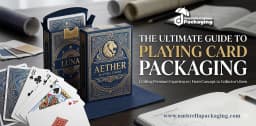
Card games remain a global phenomenon, bridging generations from family game nights to professional poker tournaments. As playing cards have evolved from simple paper slips into elegant, collectible items, brands are seeking innovative ways to elevate their presentation. One of the most effective methods? Custom packaging. Knowing the exact dimensions of the playing cards is critical to ordering the right-sized box. A precise fit prevents cards from shifting, folding, or creasing during shipping and storage. However, to maximize protection, many brands now use durable shipping boxes alongside protective inner solutions, such as Mylar bags, to keep card decks moisture-free, dust-proof, and perfectly preserved before they even reach the box. Historical Background: Playing cards trace back to 9th century China. Over centuries, their popularity exploded, leading to thousands of distinct games worldwide; estimates range from 1,000 to over 10,000 unique card games. Today, families cherish traditions of gifting card decks during Christmas, while collectors seek limited-edition sets. How Many Cards Are in a Deck? First, a standard deck of playing cards has 52 cards, which are divided into four suits: hearts, diamonds, clubs, and spades. However, not all decks are the same; for instance, a kids' game like Old Maid might have 51 or 49 cards after removing one Queen, while Uno uses 108 cards. Similarly, travel decks sometimes include only 36 cards to save space. Finally, decks for games like Crazy 8s or Slap Jack typically use the full 52 cards, but often include two jokers, resulting in 54 cards. Therefore, the number changes depending on the game and the age of the players. What is the Standard Thickness of Cards & Boxes? Individual Card Thickness: ~0.0078 inches / 0.22 mm / 0.022 cm Full Deck Box Thickness: ~0.75 inches / 19.05 mm / 1.9 cm (for 52 cards) Choosing a thicker card stock means you’ll need a sturdier, slightly larger box. Always account for material density when ordering custom packaging. The Importance of Playing Card Size: First, playing card size matters because different games require different handling. For example, small children have tiny hands, so they need shorter and wider cards for a comfortable grip. Similarly, travelers prefer mini cards because they fit easily into pockets or bags. Second, size affects how well you can hide or fan your cards. For instance, large cards like Slap Jack at 4 inches tall make pictures very visible, but you cannot hide them easily. On the other hand, standard poker-sized cards at 2.5 x 3.5 inches allow smooth shuffling and dealing. Third, size matters for durability. Thicker cards withstand bending from rough handling by kids. Finally, manufacturers consider the box size too. A larger card needs a bigger box, which takes up more storage space on your shelf. Standard Dimensions of Popular Card Games (Adults) Every card game has unique sizing. Knowing these playing card dimensions helps you order custom boxes that prevent damage during transit. 1- Poker Cards Poker remains one of the most famous card games worldwide. While sellers offer vintage and novelty variations, the standard poker card size is: Card Dimensions: 2.5 x 3.5 inches / 63.5 x 88.9 mm / 6.35 x 8.89 cm Box Dimensions: 7 x 6 x 2 inches / 177.8 x 152.4 x 50.8 mm / 17.78 x 15.24 x 5.08 cm 2- Tarot Cards Tarot card dimensions vary by seller, but the industry average is: Card Dimensions: 2.75 x 4.75 inches / 69.85 x 120 mm / 6.98 x 12 cm Box Dimensions: 3.5 x 5.5 x 1.5 inches / 88.9 x 139.7 x 38.1 mm / 8.89 x 13.97 x 3.81 cm 3- Bridge Cards Bridge cards are slightly narrower than poker cards, making them easier to hold in large hands: Card Dimensions : 3.49 x 2.24 inches / 88.8 x 57 mm / 8.88 x 5.7 cm Box Dimensions: 5.2 x 3.3 x 1.2 inches / 132.08 x 83.82 x 30.48 mm / 13.2 x 8.38 x 3.05 cm 4- European-Style Cards Less common but distinctive, European-style cards measure: Card Dimensions: 2.4 x 3.8 inches / 61 x 97 mm / 6.1 x 9.7 cm 5- MTG (Magic: The Gathering) Cards Magic cards have become a cultural staple, often personalized for events like weddings. Their dimensions match standard poker sizing: Card Dimensions : 2.5 x 3.5 inches / 63.5 x 88.9 mm / 6.35 x 8.89 cm 6- Oracle Cards Oracle cards come in multiple styles. Here are the most popular card deck dimensions for each: Type Card Dimensions Box Dimensions Traditional 2.7 x 4.7 in 4.72 x 2.74 x 0.75 in Tall 3.5 x 5.7 in 4.95 x 6.5 x 2.25 in Wide 3.2 x 4.7 in 4.25 x 5.5 x 0.75 in Large 3.5 x 5.0 in 4.5 x 5.75 x 1.7 in 7- Mini Travel Cards For pocket-friendly portability, many brands offer mini decks: Card Dimensions: 2.63 x 1.85 inches / 67 x 47 mm / 6.7 x 4.7 cm Box Dimensions: 2.82 x 1.87 x 0.69 inches / 71.7 x 47.7 x 16 mm / 7.17 x 4.77 x 1.6 cm 8- Kid’s Playing Card Dimensions Game Description Card Size (in) Box Size (in) Traitors Abroad Cooperative mystery game; slim poker-sized cards easy to hide. 2.26 x 3.5 3.15 x 1.97 x 1.18 Slap Jack Fast slapping game; extra-large cards for visible Jacks. 4.0 x 2.75 9.25 x 8.1 x 0.6 Old Maid Classic matching game; short, wide cards for small hands. 3.4 x 2.4 3.9 x 3.0 x 0.3 Why choose us for Your Playing Cards? You now have the measurements of a deck of cards for dozens of popular games. Whether you need standard dimensions or fully custom sizes, Umbrella Custom Packaging is here to support you every step of the way. We specialize in: · Custom rigid boxes and card sleeves · Eco-friendly and durable materials · Protective inserts and Mylar bag integration · Short-run and bulk orders Do not let loose-fitting boxes ruin your product’s first impression. Contact Umbrella Custom Packaging today for a free personalized quote and let us make the perfect packaging solution for your brand. Wrapping it up! In short, playing card dimensions matter because different games need different sizes for comfort, visibility, and durability. As we have seen, standard decks have 52 cards, but kids' games, travel decks, and games like Uno use varying numbers. Similarly, the thickness of cards and boxes affects protection and storage. Therefore, knowing exact measurements helps you choose the right deck or custom packaging. Finally, a perfect fit prevents damage and leaves a good impression, whether you play poker, tarot, or a simple kids' game.
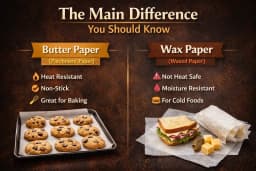
People often mix up cooking papers like wax paper, butter paper, and parchment paper. One big confusion is thinking wax paper and butter paper are the same, but that is not true. They look and feel similar, but they are different. Read this blog to learn the key differences and pick the right one. What is Wax Paper? Wax paper is a thin paper coated with a thin layer of wax, which makes it waterproof and non-stick. Because of this coating, it is great for wrapping cold foods like sandwiches, cheese, or butter without anything sticking to it. It can also help keep food moist for a short time. On the other hand, wax paper is not heat-resistant. This means you should never put it in the oven, since the wax will melt and could even cause a fire. Instead, we use it for kitchen tasks at room temperature, like lining countertops or separating layers of cookies. What is Butter Paper? Butter paper is a thin, smooth paper that has been treated to be non-stick and grease-resistant. In most countries, it is exactly the same thing as wax paper; our manufacturers make it by coating the paper with a thin layer of wax. This is why it is often used to wrap butter, hence the name, as it prevents the butter from melting onto your hands or sticking to its wrapper. However, it is very important to know that in some specific baking contexts, people might use the name "butter paper" to mean parchment paper. However, this is less common. Just like wax paper, the most common type of butter paper cannot go in the oven because the wax will melt. It is best for wrapping cold or room temperature foods and lining baking trays that will not be heated. Which is the best option: butter paper or wax paper? It depends on what you are doing. There is no single "best" because each one shines in different situations. · Butter paper is the best option when you use heat. For example, if you bake cookies, cakes, bread, or roast vegetables in the oven, choose butter paper. It handles high temperatures without melting or burning. · Wax paper is the best option when you work with cold food. For example, if you wrap a sandwich, separate cheese slices, or line a plate for messy snacks, choose wax paper. It costs less and works great for cold jobs. Therefore, the best option depends on your job: Hot job →Butter paper is best. Cold job → Wax paper is best. Where to Use Wax Paper? · Wrap cold sandwiches · Separate cheese or meat slices · Line plates for messy snacks like barbecue chicken · Freeze burger patties or chicken breasts · Cover a bowl of dough while it rises · Roll out pie crust or cookie dough Where to Use Butter Paper? · Bake cookies, cakes, and brownies · Line cake pans or baking trays · Roast vegetables or potatoes · Steam fish or chicken in a paper packet · Cover a casserole in the oven · Roll out sticky dough Key features of wax paper and butter paper (parchment paper) Feature Wax Paper Butter Paper Coating Wax like a candle Silicone(heat-safe) Oven-safe No Yes (up to 425°F) Reusable No Sometimes Non-stick for hot food? No Yes Best For Cold food (sandwiches, cheese) Baking and roasting Cost Cheap A bit more Feeling Waxy and slippery Smooth like thin cardboard Wax Paper vs. Butter Paper for Baking Use butter paper for baking. Butter paper handles heat well. Wax paper cannot handle heat. Wax paper melts in the oven. It smokes and ruins your food. So never, put wax paper in a hot oven. Butter paper has a silicone coating. This coating loves heat. However, you can line your baking tray with butter paper. Bake cookies or cake on it. After baking, the food slides right off. No sticking and no mess. You can use wax paper for preparing baking items. Roll out cookie dough on wax paper. Cut shapes on it. Then move the dough to a butter paper tray. You can also cover rising dough with wax paper. However, do not put wax paper in the oven. In short, butter paper goes inside the oven. Wax paper stays outside. Pick the right paper for happy baking. Storing Food with Wax Paper and Butter Paper Wax paper is great for wrapping cold foods like sandwiches, cheese, and butter because its waxy coating keeps food from sticking and locks in moisture. Butter paper, which is often the same as wax paper, works well for storing oily or greasy foods, such as burgers or pastries, since it resists grease. However, remember that neither should be used for hot foods or put in the freezer for very long, because the wax can crack or melt. For short-term, cold storage, both are perfect choices. Wrap it up! Wax paper and butter paper look alike but they are not the same. Use wax paper for cold or room-temperature tasks, such as wrapping food or separating sticky items. Do not put wax paper in the oven or microwave. Use butter paper (parchment paper) for baking, roasting, and any hot oven cooking. Moreover, for cookies, cakes, and all baking, always choose butter paper. For a simple sandwich wrap, choose wax paper. FAQs Is it safe to put wax paper in the oven if I am just warming food? No, it is still not safe. Even at low temperatures, the wax coating can melt onto your food or the oven rack. Stick to parchment paper for any type of heating. Is Baking Paper Just Another Name for Parchment Paper? Yes, parchment paper and baking paper are two names for the same thing. Both can go in the oven because they have a special coating that handles heat. Butter paper is not the same it has no heat-resistant coating, so it cannot be used for baking. Are wax paper products bad for the environment? Not necessarily. Many wax paper bags and sheets are made from natural wax and can be recycled or composted, making them a better choice than plastic for short-term food storage.
We offer Packaging Boxes delivered to your door. Secure, professional, and affordable, our custom made packaging boxes are guaranteed to protect and transport your valuable items. Our devoted team is always there to serve you.
















Our Secure Payment Modes
© 2026 Umbrella Packaging All rights reserved.